Questions About Sado, the Tea Ceremony: Do You Always Eat Sugar Before Matcha?
This is another question I received from a lovely guest the other day during the tea ceremony. At the time, I answered “yes”—but later I realized that wasn’t entirely accurate.
The Role of Sweets in Tea Ceremony
When I answered my guest, I explained it like this:
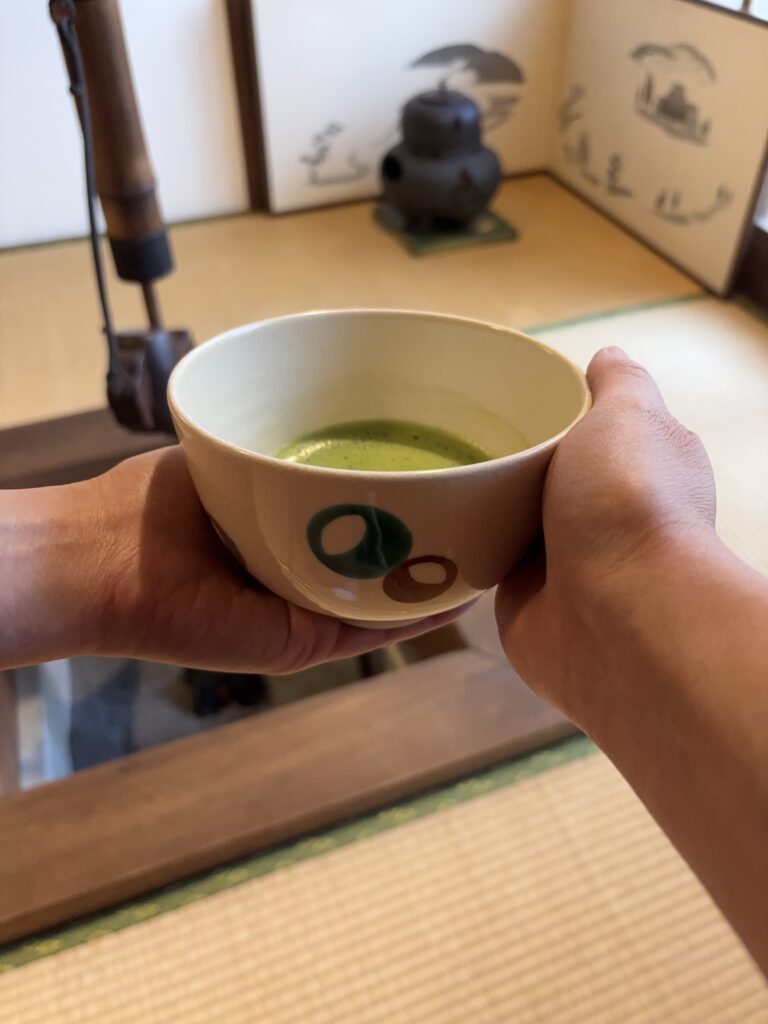
“In the Japanese tea ceremony, the greatest treat is actually the bowl of matcha itself. Sweets are served beforehand to enhance the flavor of the tea—not to be the main attraction.”
This is true in most cases. The gentle sweetness of traditional Japanese confections balances the natural bitterness of matcha, allowing you to fully appreciate its taste and aroma.
But later, I remembered something I had almost forgotten.
A Surprising Exception: Daitokuji Natto
While reading a novel about Sen no Rikyu, the legendary tea master of the 16th century, I came across an important detail. In the story, a samurai asks a Zen monk for tea. The monk replies:
“We are a Zen temple. We do not have sweets.”
That moment reminded me—of course! There is something else that can be served before matcha.
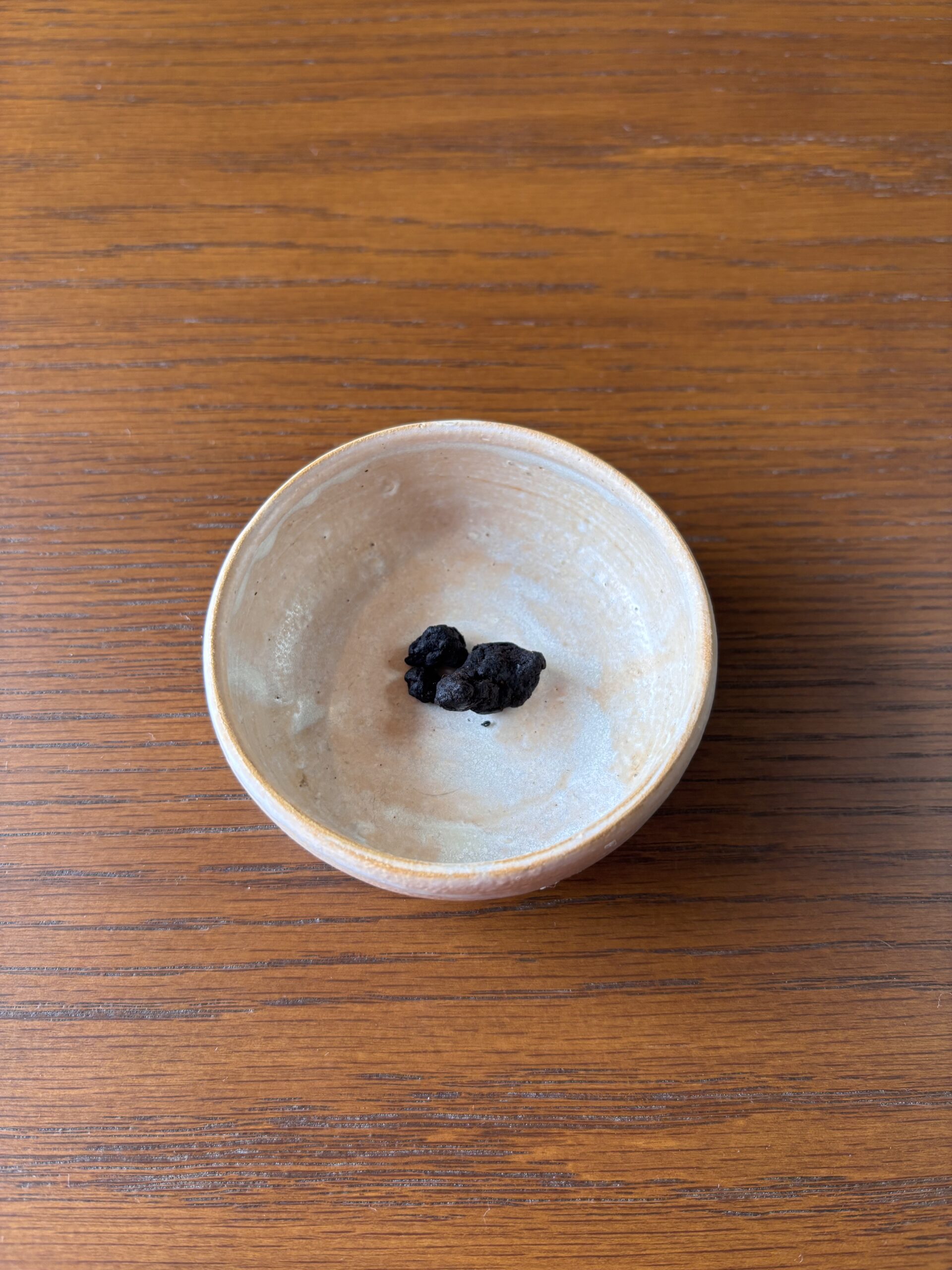
It’s called Daitokuji Natto.
Tea Ceremony and Zen Buddhism
As I’ve mentioned in a previous post, the tea ceremony is deeply connected to Zen Buddhism. Zen monks are known for their disciplined lifestyle. I once visited Eiheiji Temple, a famous Zen temple, where even famous people like Steve Jobs longed to train.
Life there begins before dawn—meditation, chanting, cleaning, simple meals, more cleaning, and study. Meals are strictly vegetarian and minimal. There is no room for indulgent sweets.
So, instead of sugary treats, Daitokuji Natto was offered at the temple in the novel.
What Does It Taste Like?
Daitokuji Natto is made from soybeans, but it’s completely different from the sticky fermented natto many people know.
It’s:
Small, dark, and firm
Salty, with a strong, unique aroma
Surprisingly intense at first
The first time I tried it as a student, I remember thinking, “What is this powerful flavor?!” Honestly, I didn’t like it.
Yesterday, I revisited it with my family. My son said, “It’s bad.” My husband said, “It’s very salty. This flavor… surprised me.”
But for me, something had changed. At first, I tasted a strong salty flavor, but as I let it linger on my tongue, a deeper, more complex note began to emerge—almost like a hint of dark chocolate in the distance. It became… surprisingly enjoyable.
And then I had a cup of matcha afterward.
The result?
A calm, satisfying “ahh…” moment. The tea tasted wonderful, as always.
A Familiar Comparison
If you’ve ever tried Japanese miso or Australian Vegemite, you might recognize a similar experience.
Salty, strong, and unique—surprising at first, but umami-rich and nourishing.
So, Do You Always Eat Sweets Before Matcha?
The answer is: Most of the time, yes—but not always.
In the tea ceremony, sweets are typically served to enhance the matcha experience. However, in rare cases—especially in Zen-influenced settings—something savory like Daitokuji Natto may be offered instead.
Experience It Yourself
Reading about tea is one thing—but experiencing might be something different.
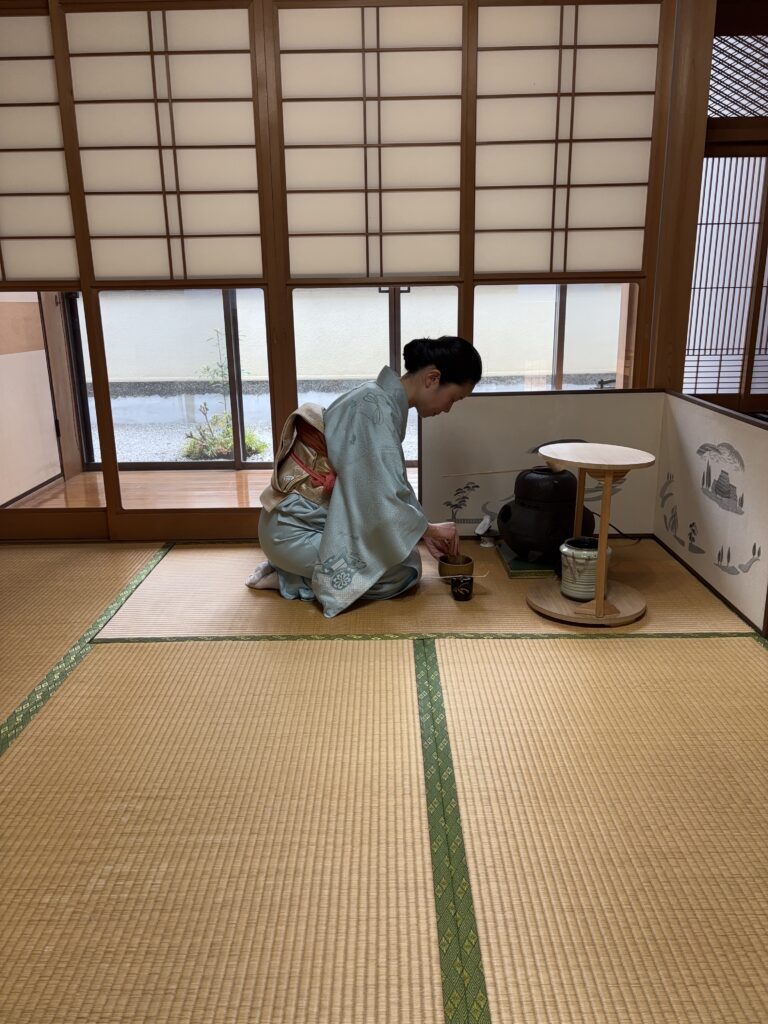
In our tea ceremony sessions, you’ll not only enjoy authentic matcha and traditional sweets, but also discover the stories and subtle details behind every movement and taste.
Whether it’s your first time or you’re deeply curious about Japanese culture, we would love to welcome you.