Preparing for the New Year: Japan’s Year-End Deep Cleaning
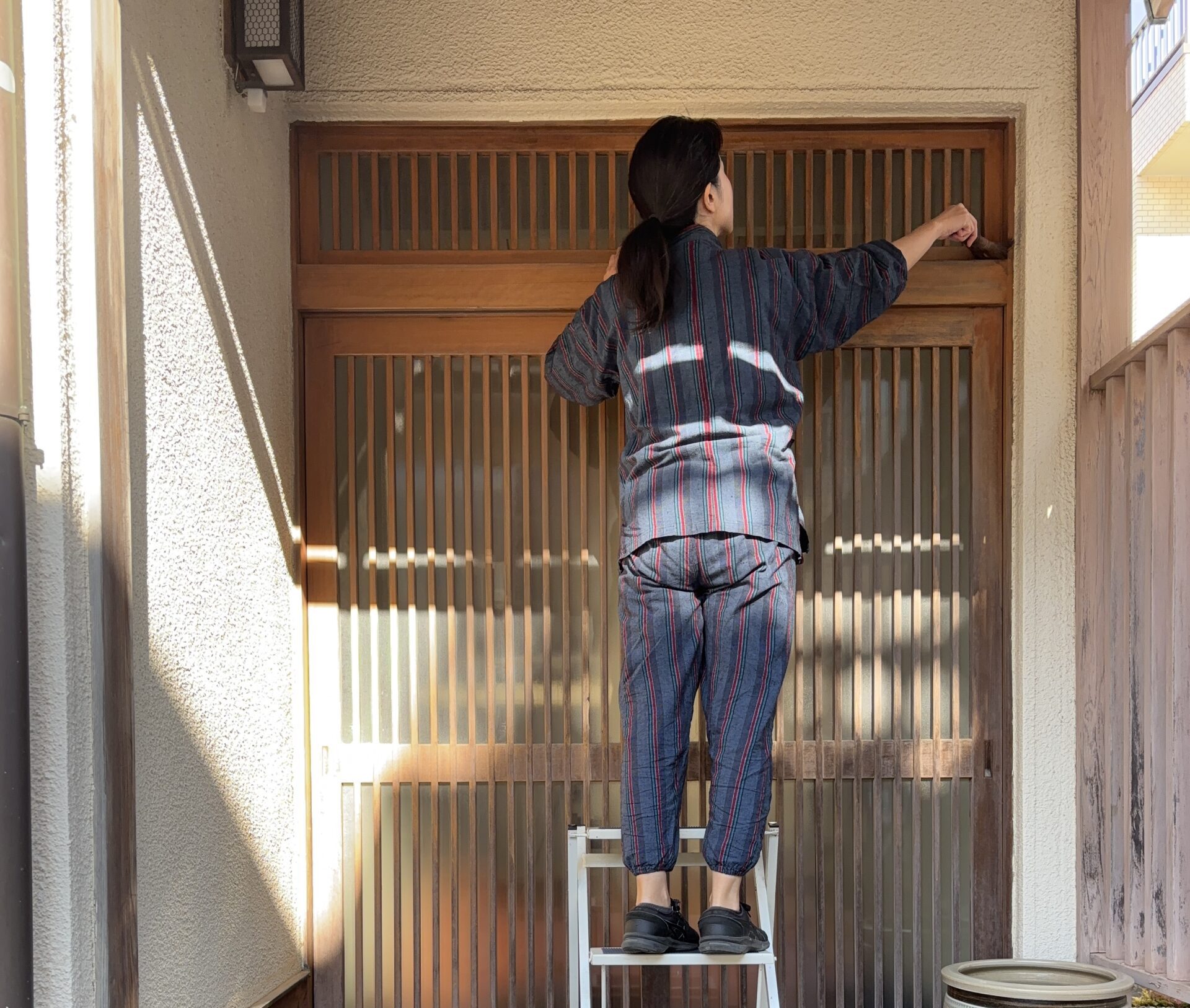
In Japan, we start our traditional year-end deep cleaning on December 13th. This day is known as Shogatsu Kotohajime, the official beginning of New Year preparations. Shogatsu or Oshogatsu refers to the first days of the new year, and from January 1st to 3rd many people take time off to celebrate. Traditionally, New Year’s is the most festive and joyful time of the year in Japan. Before the adoption of the Western calendar during the Meiji era, in the late 19th century, Japanese people had only two holidays each year: Obon in summer and Oshogatsu in winter.
Families gather during Oshogatsu, enjoy special meals, and pray for happiness in the new year. That’s why preparing for the New Year is so important. The first step is cleaning—thoroughly. This isn’t just about making the house look good for guests. It’s believed that by cleaning carefully, we welcome the deities who bring good fortune. Since they are deities, they might notice even the places we normally overlook, so cleaning must be done with great care. After all, it is said that good fortune deities prefer clean homes.
Even from a scientific point of view, in the past—before modern medicine—an unclean home meant a higher risk of illness. Falling sick could lead to being unable to work, becoming poor, and struggling to get enough food. People may have understood this as “the deities of good fortune didn’t visit,” which encouraged families to clean their homes thoroughly. In a way, it’s a brilliant idea of teaching.
Memories from Childhood
When I was a child, year-end cleaning was quite an ordeal. We kept the windows wide open in the freezing cold, used icy water from the outdoor tap to soak the cleaning cloths, and wiped down the windows. As someone who dislikes the cold, it felt like torture! My mother, however, is incredibly hardworking and never cuts corners—so I had no choice but to follow her example. I bundled up in layers and did my best.
Although I don’t like the cold, it was fun to lean out of the second-floor windows and wipe the outside. Maybe it was a bit of a thrill?
Now my husband forbids me from leaning out of second-floor windows because I tend to be clumsy. Officially, I listen to him.
Experience Traditional Japanese Culture in a Traditional Home
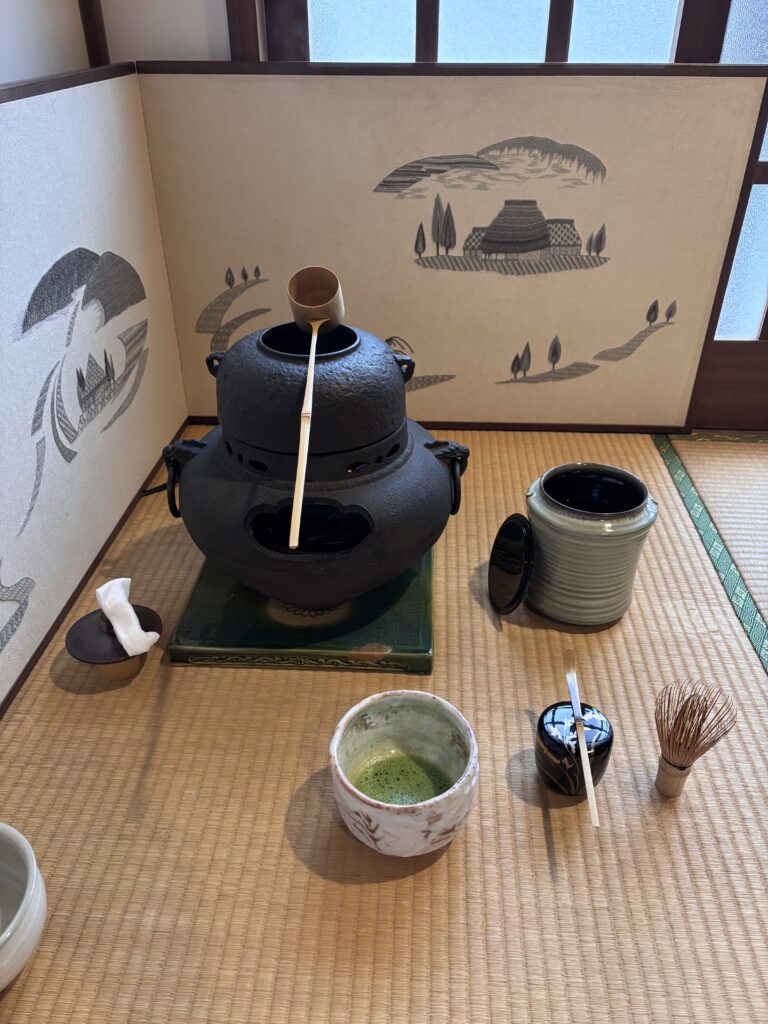
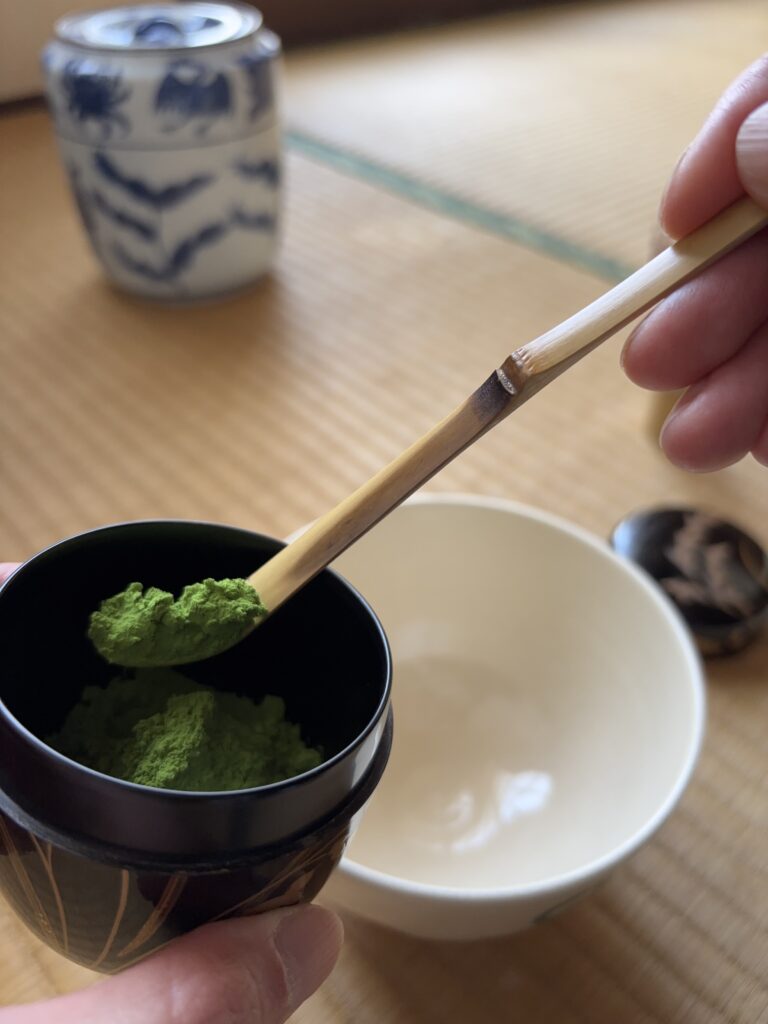
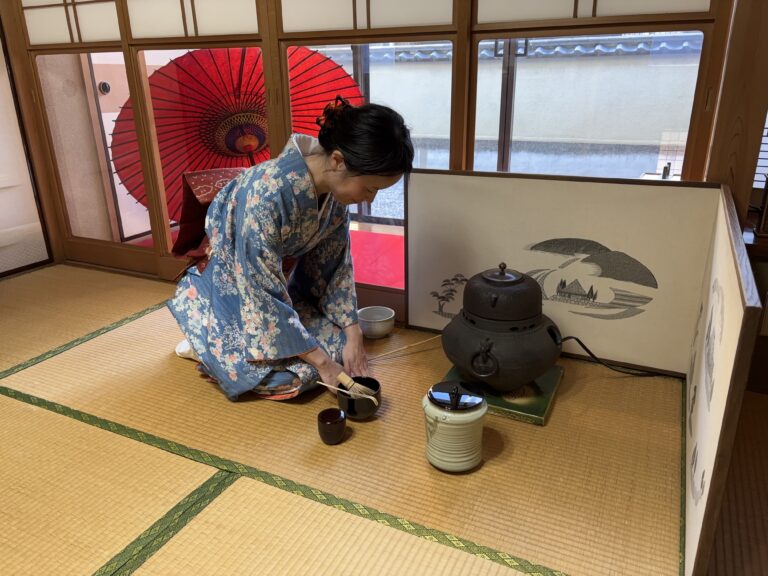
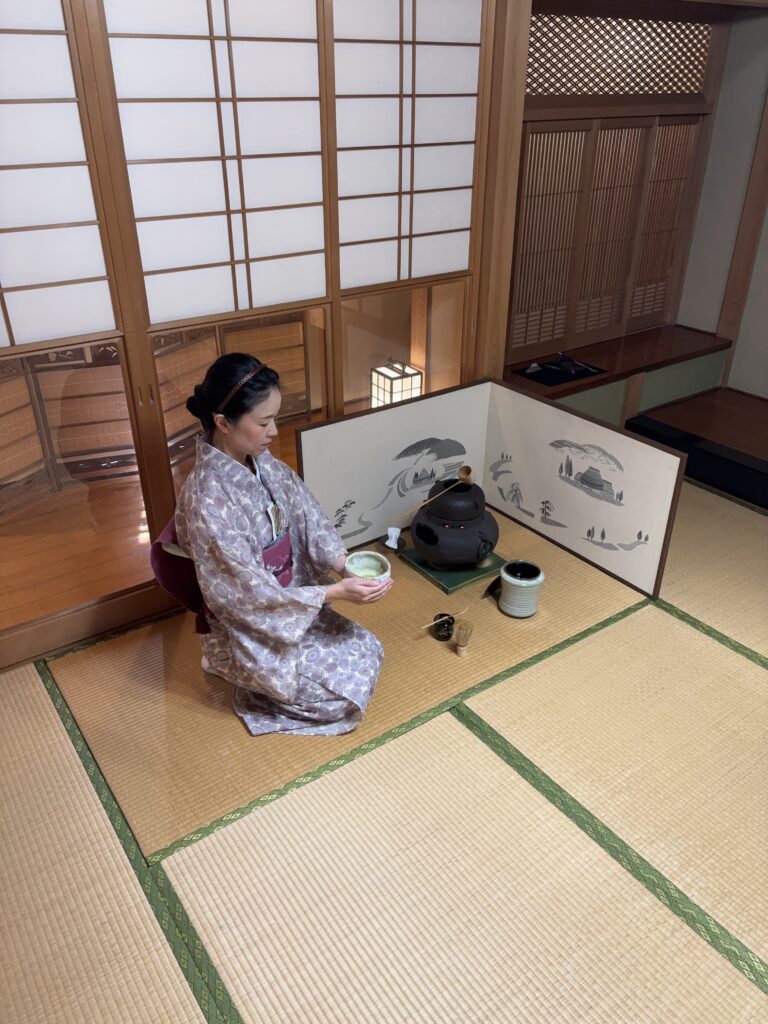
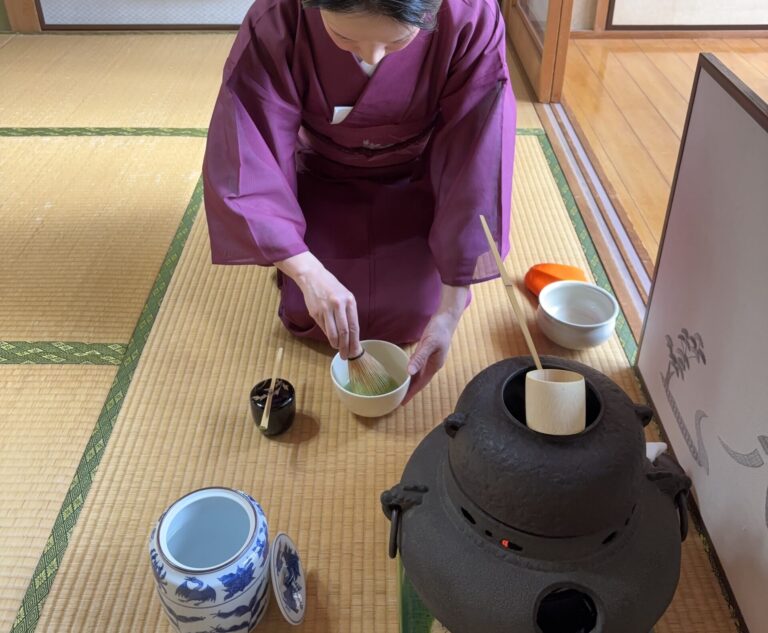
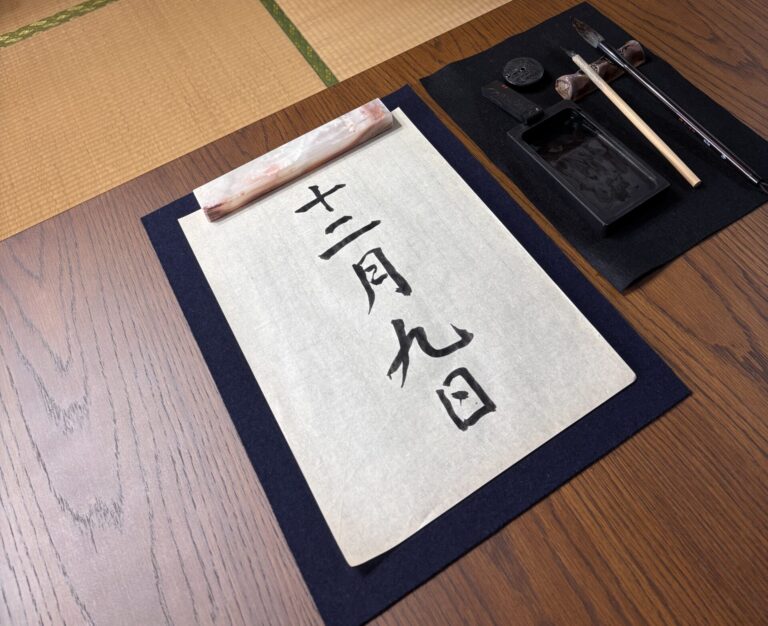
At our carefully maintained a little old Japanese house, you can enjoy hands-on experiences in shodo (Japanese calligraphy) and sado (tea ceremony). Each session is private for your group, so you can relax with family or friends at your own pace.
If you’re visiting Tokyo, why not immerse yourself in Japanese culture inside a cozy, traditional home?
We look forward to welcoming you.