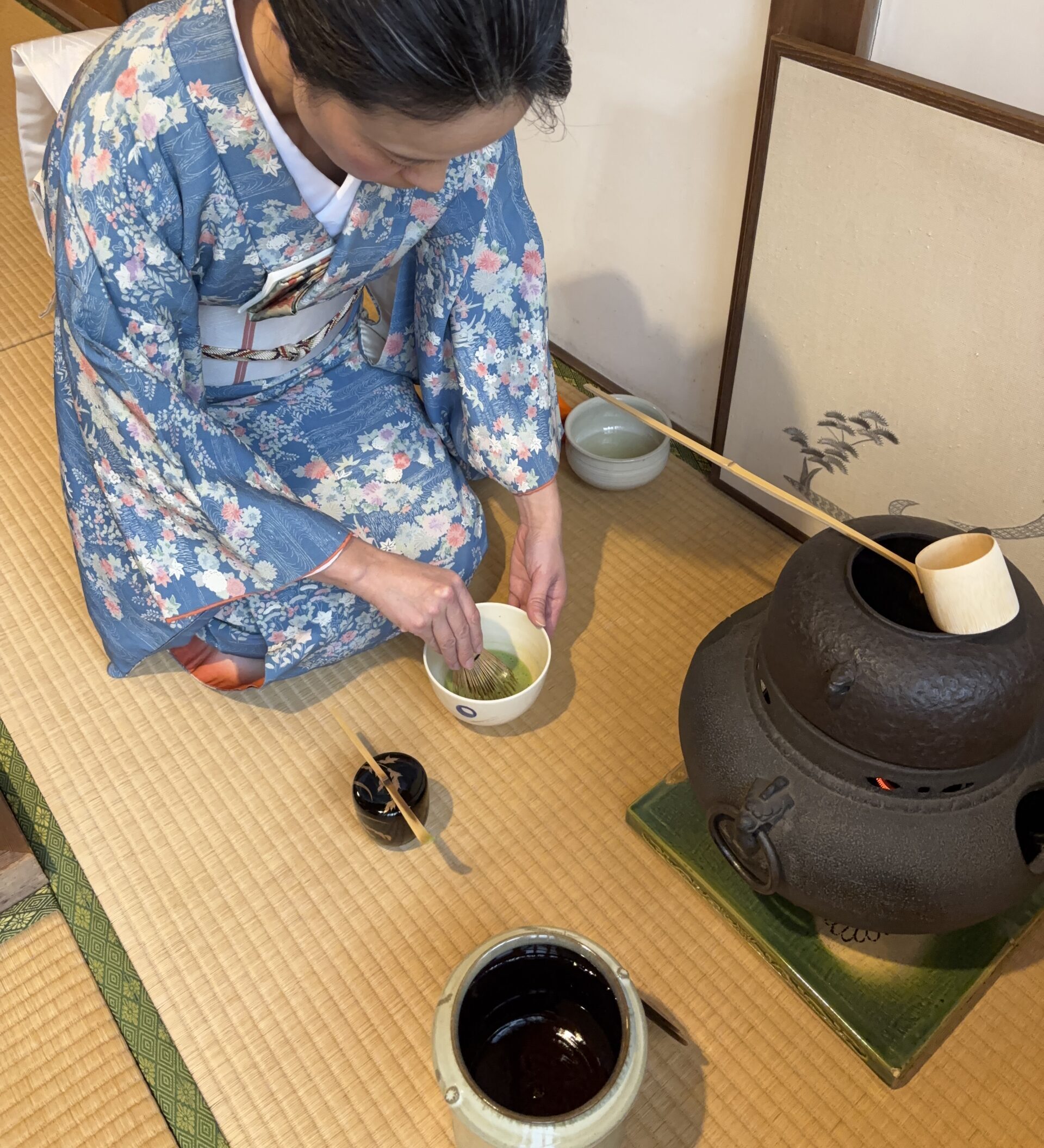
Tea Ceremony Club (1): What Do Students Actually Do?
What Do Students Actually Do in a High School Tea Ceremony Club?
Most of the international guests to our salon are surprised when they hear that many Japanese high schools have a tea ceremony club.
“Isn’t the tea ceremony something for adults, or professionals?”
This is a very natural question. So today, I’d like to answer them by sharing my own experience. I was a member of my high school tea ceremony club about 25 years ago, and this is what it was really like.
Tea Ceremony and Japanese School Clubs
Japanese schools usually offer a wide variety of after-school clubs, called bukatsu. These range from sports teams like baseball or soccer to cultural clubs such as music, art, drama—and yes, tea ceremony.
Clubs are an important part of school life. Students usually choose one club and stay in it for almost all periods of their school life, practicing regularly after school. In that sense, the tea ceremony is treated not as a rare or elite art, but as something students can gradually learn through daily practice.
Recruiting New Members
Every spring, when Japan’s school year begins in April, clubs introduce themselves to new students. The goal is simple: attract new members.
Our tea ceremony club wore yukata, a casual summer cotton kimono, and stood on the stage holding a tea whisk and a tea bowl. We explained that we practiced twice a week, enjoyed traditional sweets, drank matcha, and learned Japanese culture.
At the time, Japan was beginning to talk a lot about “globalization.” We often said things like, “If you learn tea ceremony, you’ll be able to explain Japanese culture to friends from other countries.”
A Special Tea Room at School
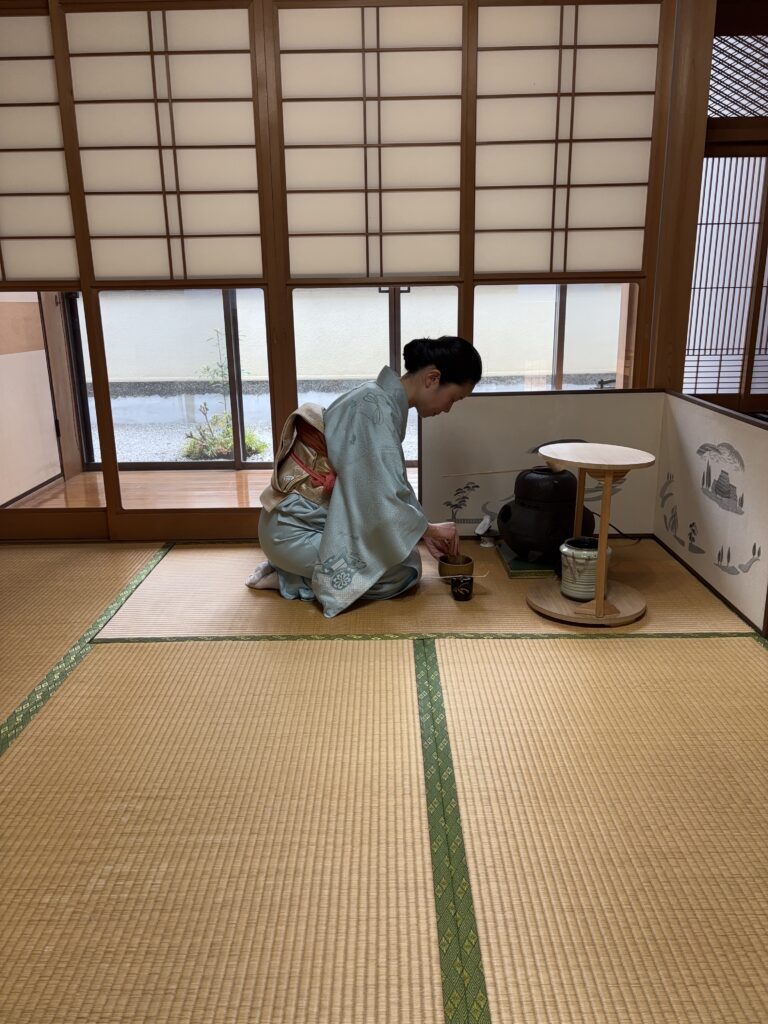
One surprising fact for many non-Japanese readers is that our school had a dedicated tea room called saho-shitsu, meaning “the manner room”. Only the tea ceremony club used it.
We practiced there twice a week. The room was spacious and beautifully maintained, even though we didn’t use it everyday. Looking back, it was a good deal. Other clubs practiced in gyms or classrooms, but we had a traditional tatami room reserved just for us.
Who Joined the Club?
My year had only two members, but the following year nearly ten students joined. The school had more female students overall, and the tea ceremony was especially popular among girls, so for a long time the club was all female.
Then, when I was in my third year, which was my final year of high school, a male student joined. Our teacher was delighted. Male movements in the tea ceremony are slightly different—more dignified, almost samurai-like presence. He looked really enjoying the practice. I sometimes wonder if he continued studying tea ceremony later in life.
Tea ceremony club was quiet, slow, and far from flashy—but it offered something rare: a place to learn patience, observation, reflection, and care for others. And that was only the beginning.