Questions About Sado, the Tea Ceremony: What Is the Mizusashi Used For?
“What Is This For?”
One of the most common questions we receive from guests during the tea ceremony is about the mizusashi, the fresh water container.
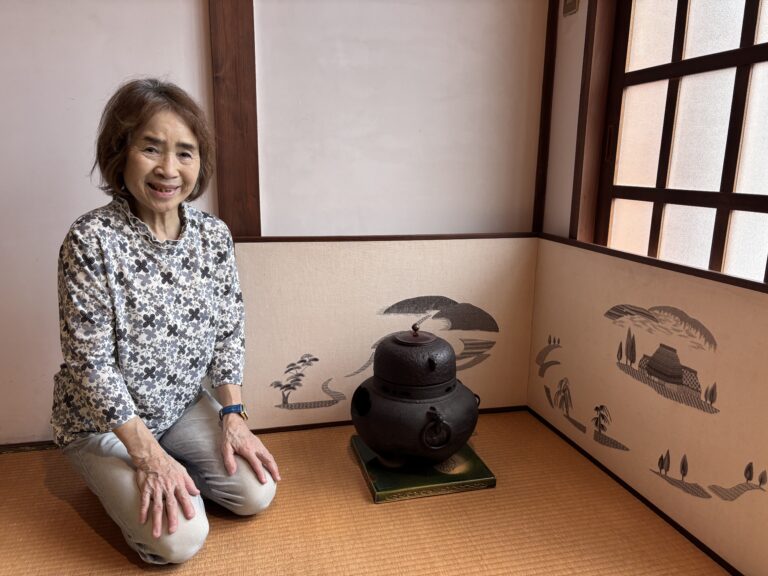
It is the very first utensil brought into the tearoom when only the kettle is in place. Yet, as matcha is prepared and served, guests notice something curious: no one seems to touch the water inside it. Naturally, someone will ask, “What is this used for?”
The Role of Fresh Water
The mizusashi is filled with fresh water. In the case of usucha (common matcha that we serve), it does not take center stage until the very end.
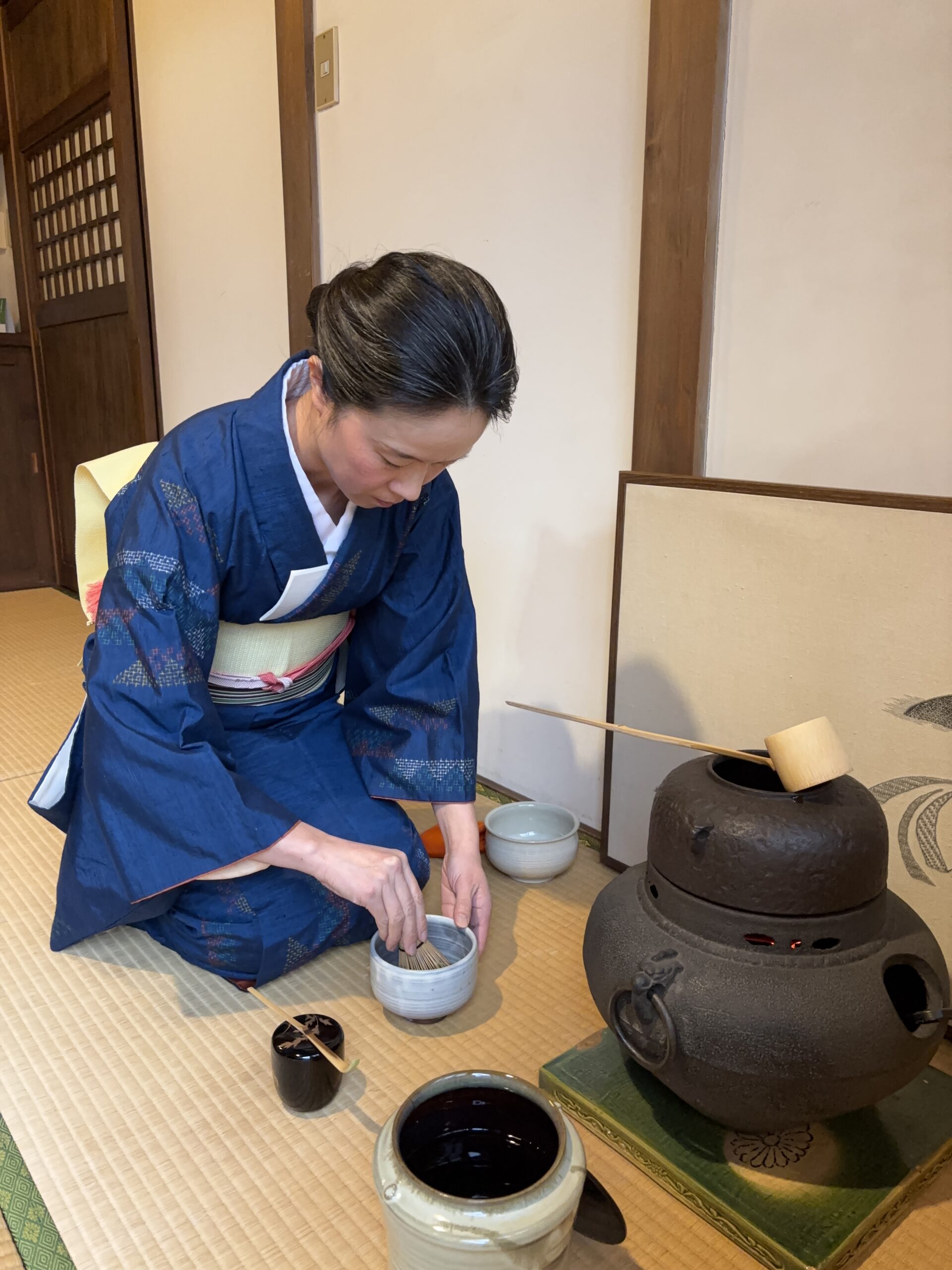
After all guests have finished their tea and no further bowls will be prepared, the host uses this water for rinsing the bamboo whisk and the tea bowl. Then, as a final move, fresh water is gently added from the mizusashi to replenish the kettle. Only then does the mizusashi take on its full role.
What may appear at first to be decorative or ceremonial is, in fact, entirely practical. In Sado, every object has meaning, timing, and purpose. Nothing is unnecessary.
A Ceremony of the Five Senses
To some, the tea ceremony may look elaborate. But what we cherish most is its simplicity.
The quiet sound of the kettle.
The subtle scent of bamboo from the whisk.
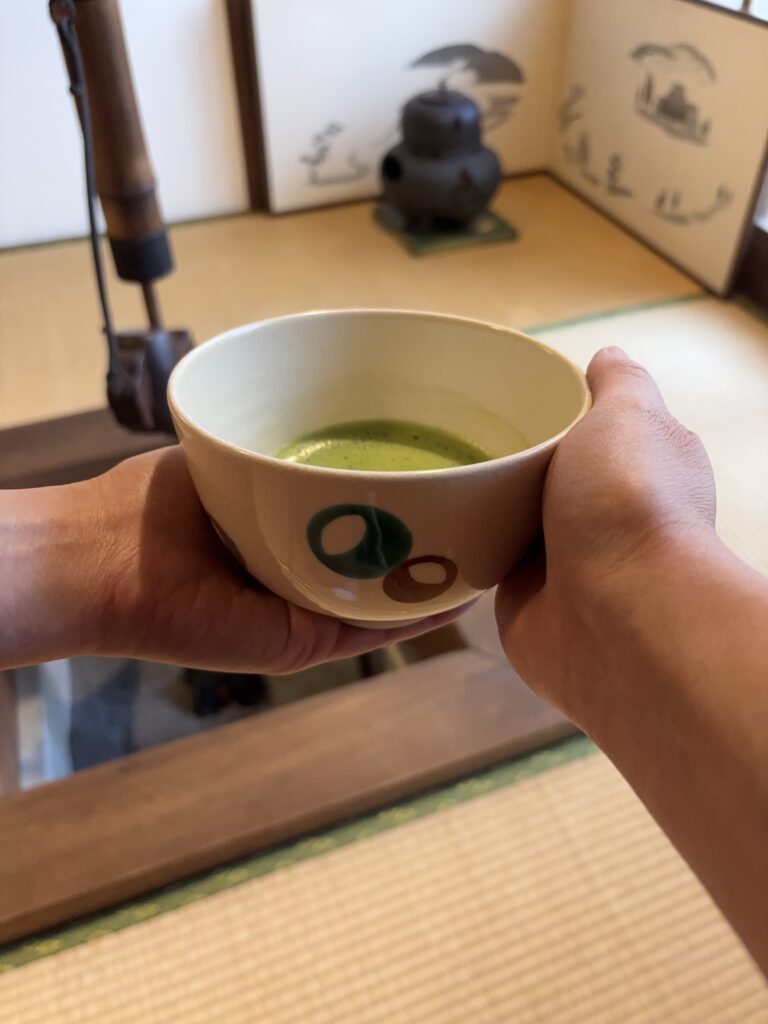
The smooth curve of the tea bowl in your hands.
The soft flow of hot water poured with a ladle.
The sweet taste of freshly whisked matcha.
In a world dominated by screens and visual stimulation, Sado invites you to slow down and engage all five senses. The experience is grounding and soothing.
When the Mizusashi Takes an Earlier Role
There are moments when the mizusashi becomes important even before the tea is served.
When preparing koicha (strong tea)—a rich matcha with the texture of fine paste—the temperature of the kettle water is slightly lowered just before whisking. A small amount of fresh water is added to calm the boil.
Why? Because water that is too hot draws out bitterness. High-grade matcha, especially the kind used for koicha, reveals its natural sweetness and aroma best when prepared with water that has settled below a full boil.
Temperature is not simply technical—it is part of hospitality.
Experience the True Taste of Matcha
At our tearoom, we proudly serve high-quality matcha suitable for koicha. Without sugar. Without milk. Just pure aroma, gentle sweetness, and a soft, rounded finish.
We invite you to discover matcha as it has been enjoyed in Japan for centuries—simple, sensory, and deeply satisfying.