Questions About Sado, the Tea Ceremony: Do I Have to Sit on the Floor?
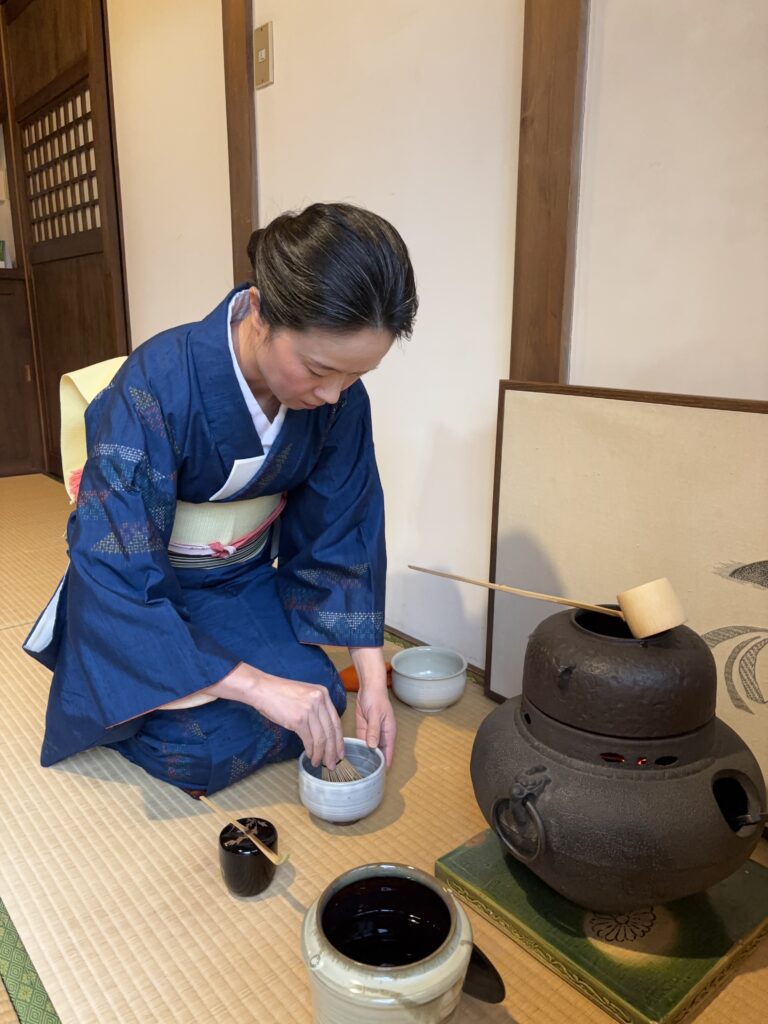
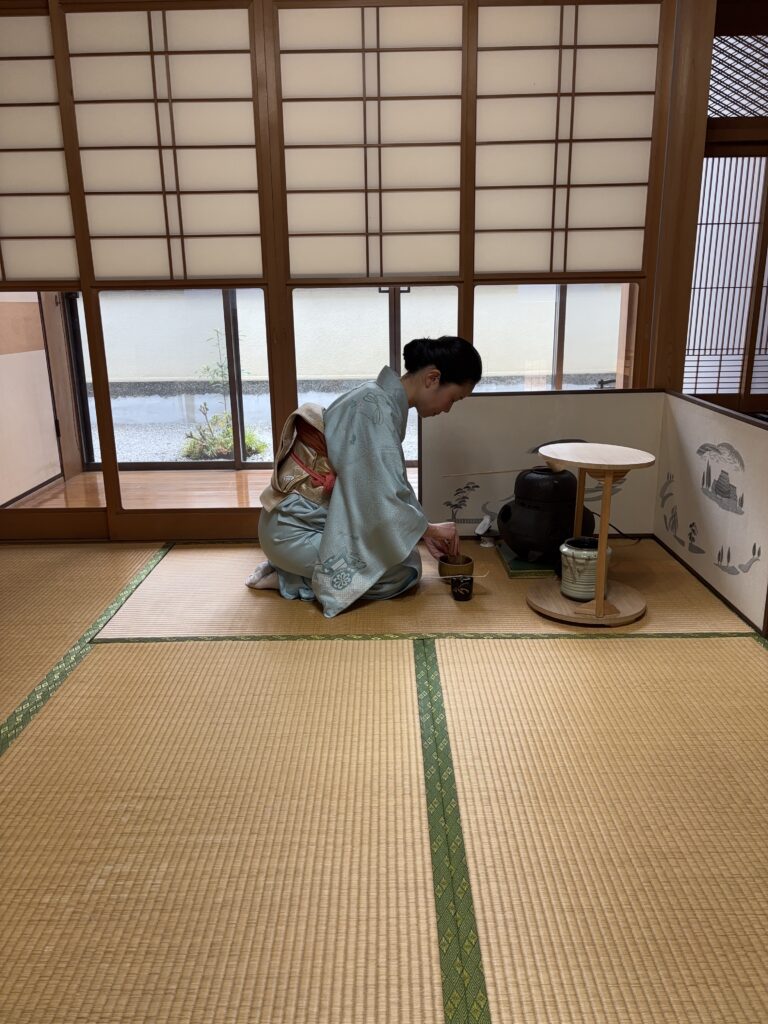
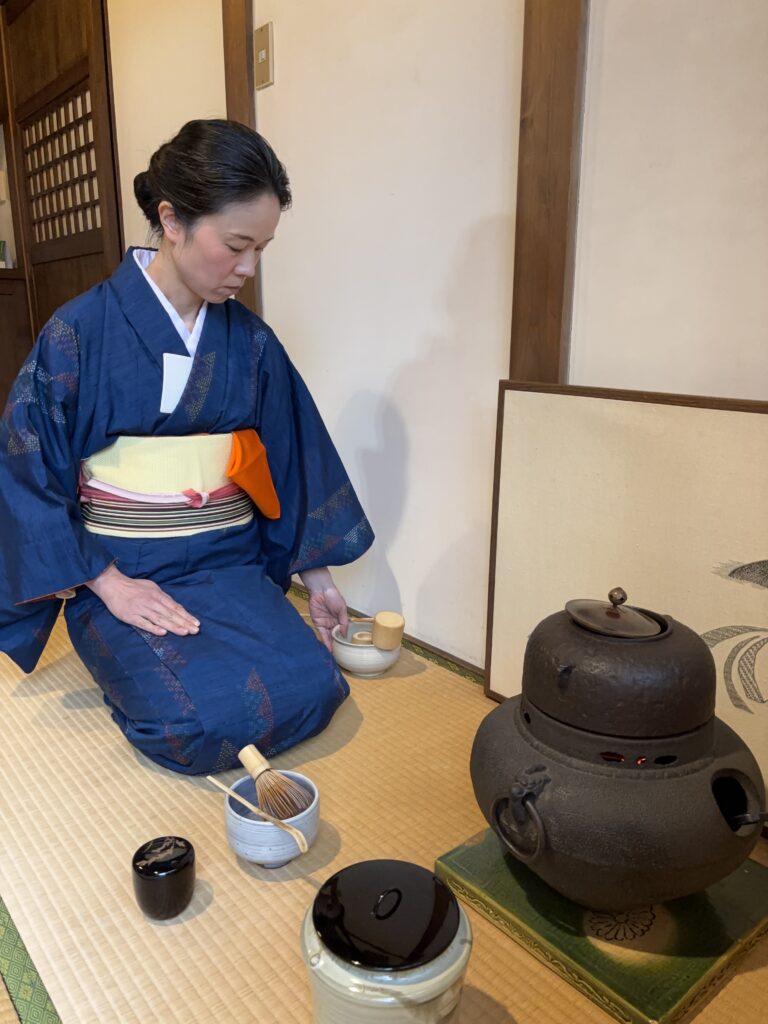
When people think of a Japanese tea ceremony, many imagine someone sitting on tatami mats in the traditional seiza position, with their legs folded underneath them.
But for people with legs or feet problems, or those who are not used to sitting this way, this can be a concern. If you are planning a trip to Japan and would like to experience a tea ceremony, you might wonder, “Will I be able to sit on the floor for that long?”
So, do you always have to sit on the floor to enjoy a Japanese tea ceremony?
Why Do People Sit on Tatami Mats?
In a traditional Japanese tea room, sitting on tatami mats is the usual way to enjoy tea. The seiza position, in which you kneel and sit back on your heels, is also connected to life in traditional Japanese-style rooms and to the tea ceremony that developed within that setting.
However, sitting on the floor and sitting in seiza are not the same thing. Some people may find other sitting positions more comfortable, even if they cannot sit in seiza. Others may find it difficult to sit on the floor at all, due to injuries or physical conditions.
Fortunately, there are ways for everyone to enjoy the tea ceremony.
There Is Also a Style of Tea Ceremony Using Chairs
You might wonder, “If you sit on a chair, is it really an authentic Japanese tea ceremony?”
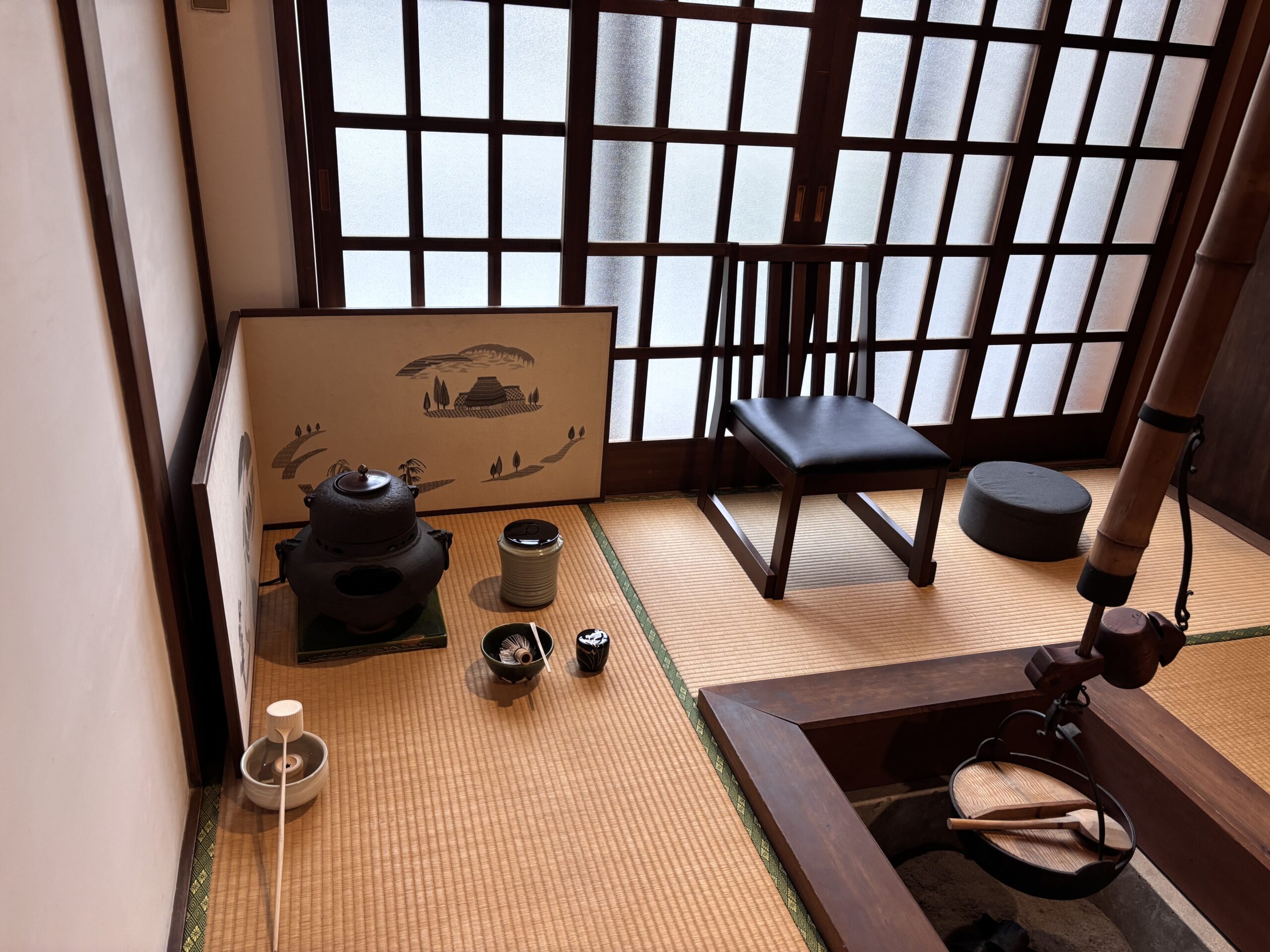
In fact, Japanese tea ceremony has a style called ryurei, in which tea is prepared and served using a table and chairs. Sitting on tatami mats in the seiza position is not the only way to practise tea ceremony.
Even teachers who have studied tea ceremony for many years may find it difficult to sit in seiza as they grow older, perhaps because of joint problems or knee pain.
There are also many other reasons why someone may find sitting on the floor difficult, including illness, injuries, and physical conditions.
I believe that respecting traditional ways and enjoying tea ceremony in a way that suits your body do not necessarily have to be in conflict.
At Oh! Mama, You Can Sit on a Chair
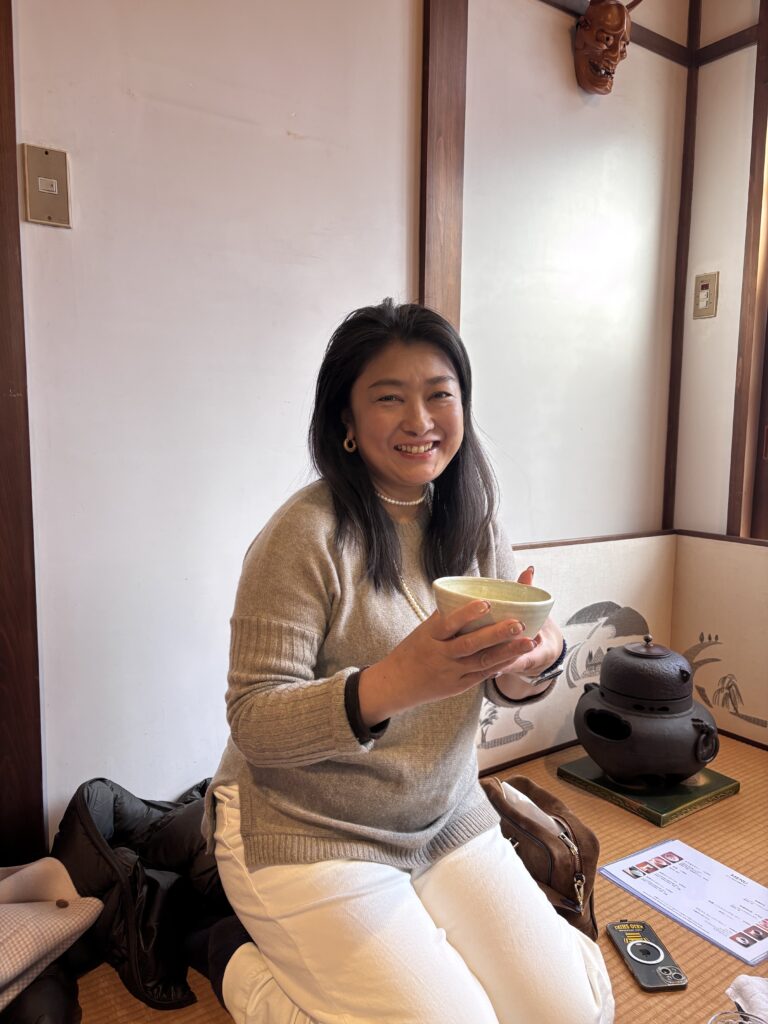
Some guests who visit Oh! Mama for a tea ceremony experience find it difficult to sit on the floor.
In such cases, I offer them a chair or a cushion, depending on what they need.
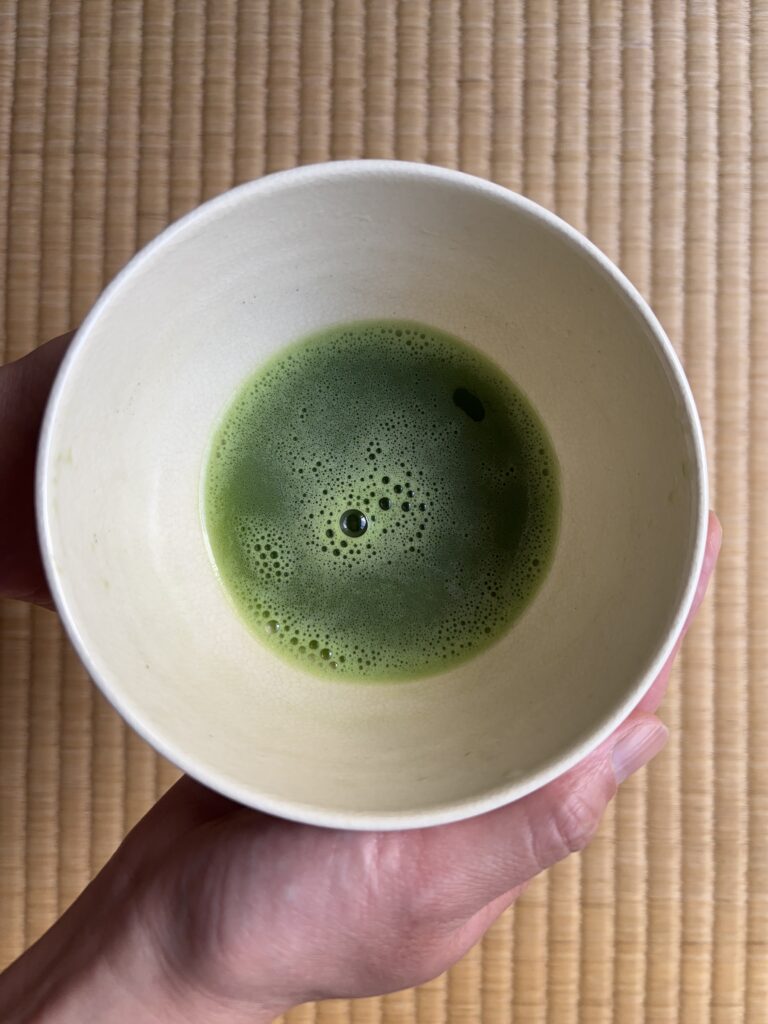
Even if you cannot sit in seiza, I hope you can enjoy the tea, hold a tea bowl in your hands, and spend some time experiencing Japanese tea culture.
If your legs become numb or hurt while sitting in seiza, please do not push yourself. Feel free to change your position. There is no need to put your body under strain just to enjoy the experience.
One Day, I May Prepare Tea While Sitting on a Chair, Too
I actually injured my knee when I was young.
At the moment, I still sit in seiza on tatami mats when I prepare tea. But if my knee becomes worse as I grow older, I imagine myself sitting on a chair and preparing tea for my guests.
I would like to continue preparing tea and sharing it with my guests for as long as I can.
Japanese tea ceremony has a long history and many traditions that have been carefully passed down through generations. Learning about these traditions is part of what makes the experience so special.
But I would not want anyone to give up the idea of experiencing a tea ceremony simply because they cannot sit in seiza.
If you are planning a trip to Japan and would love to experience a tea ceremony but are worried about sitting on the floor, please feel free to contact me.
I would be delighted if you could enjoy a moment with Japanese tea at Oh! Mama, in a way that feels comfortable for you.