Following Basho’s Journey, One Character at a Time — Learning Through Calligraphy
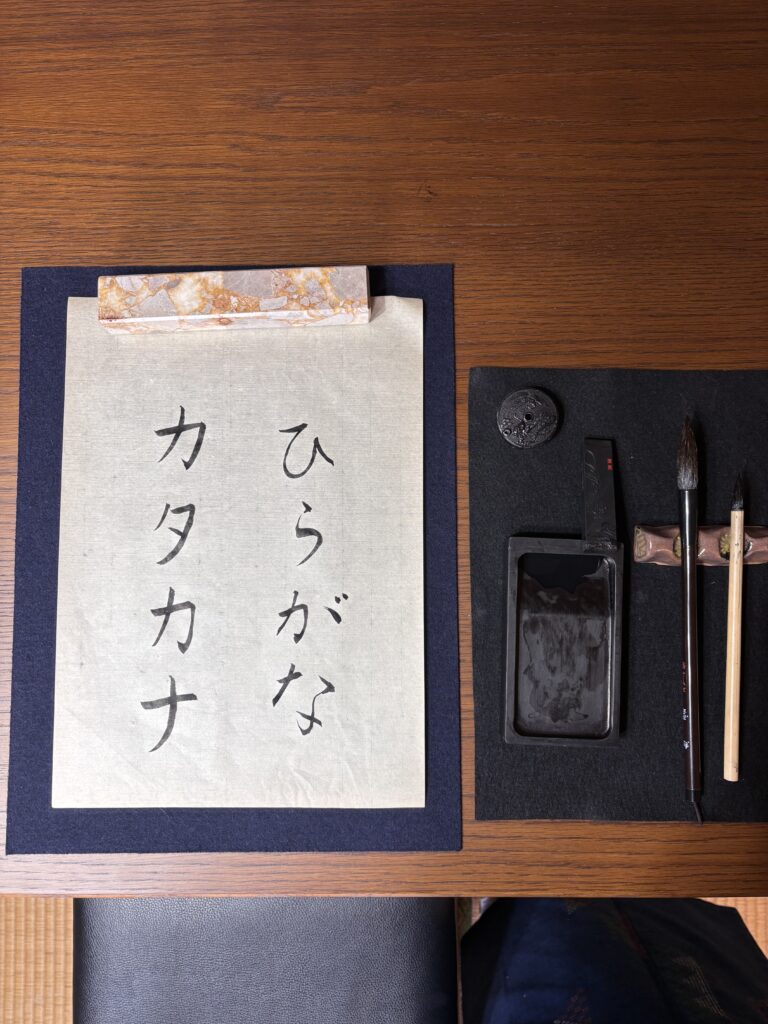
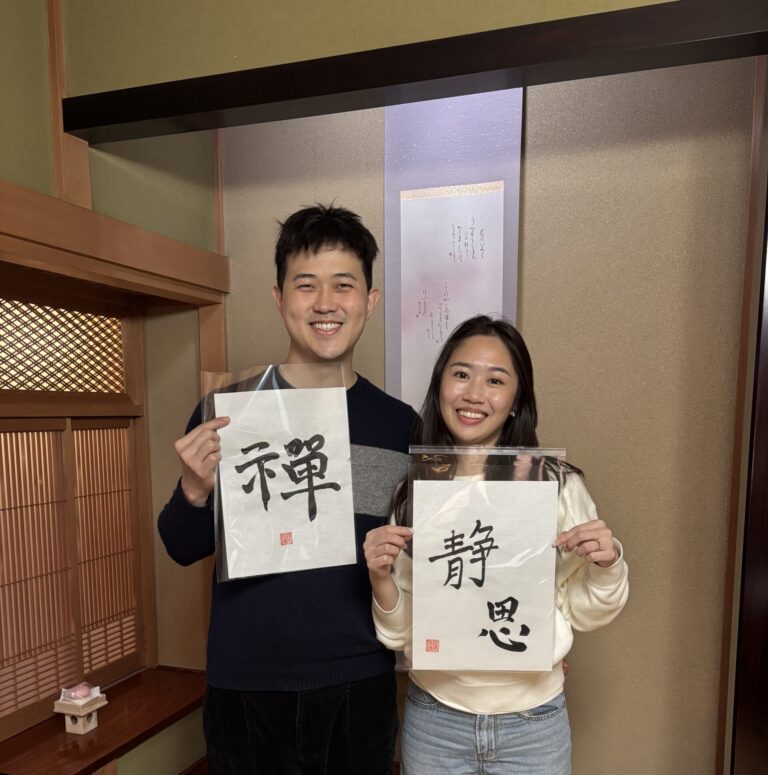
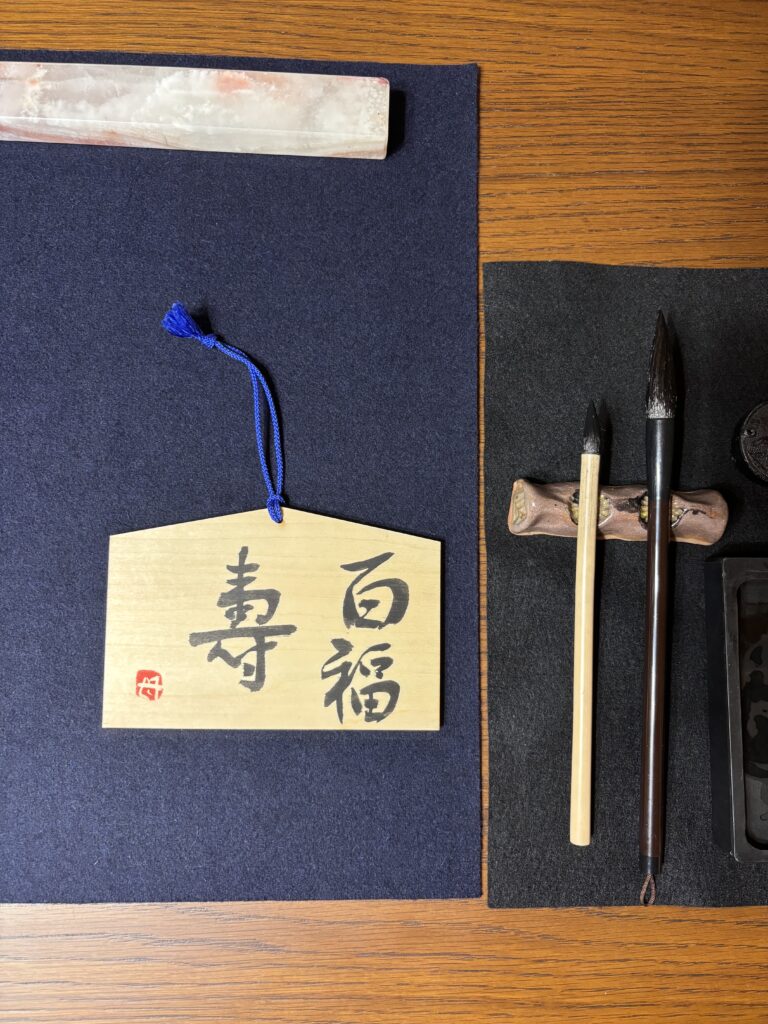
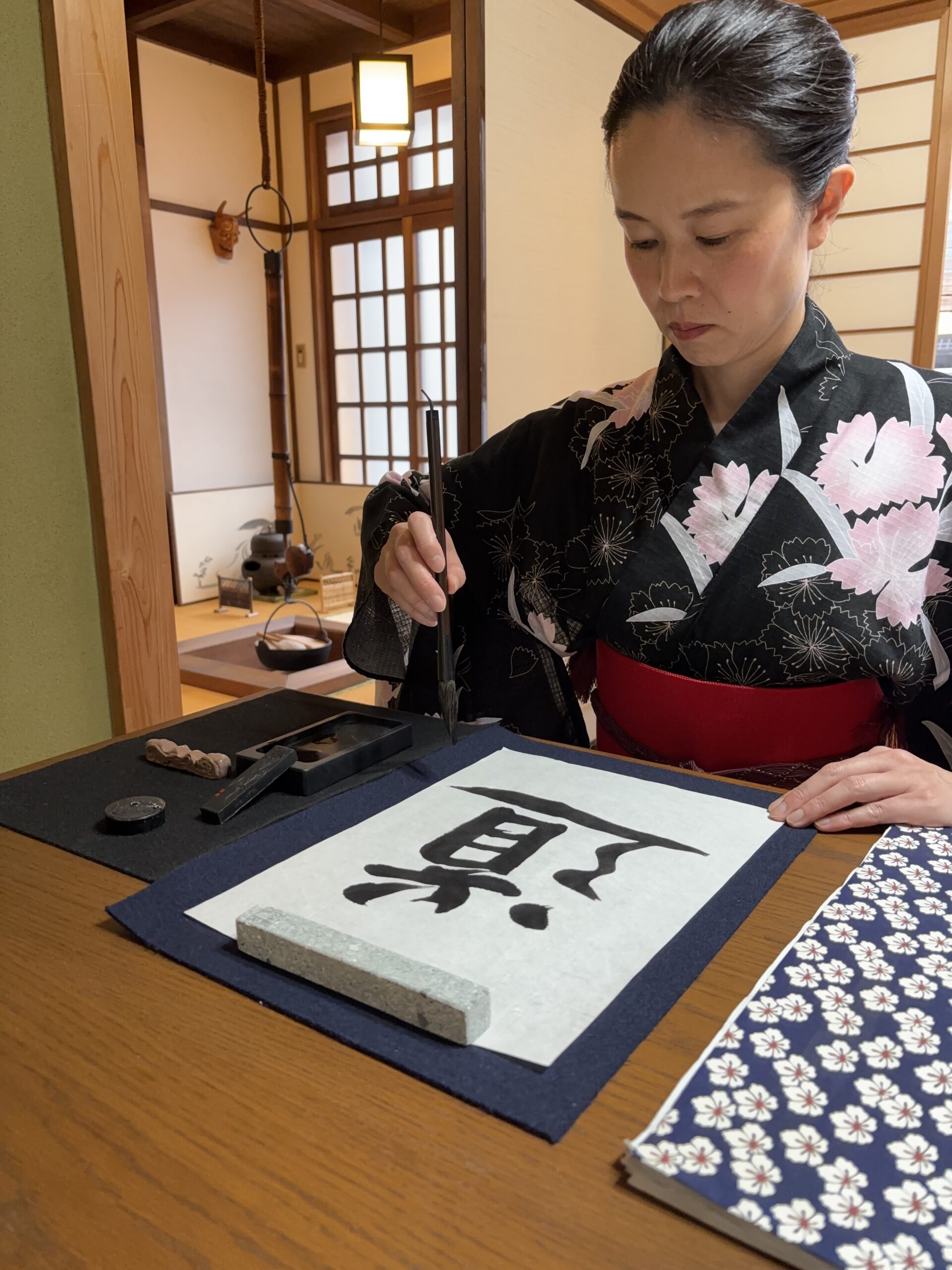
From spring to autumn, I have been studying Oku no Hosomichi (The Narrow Road to the Far North) by Matsuo Basho, one of Japan’s most famous haiku poets. Along the way, I have practiced writing some of the characters found in his haiku through Japanese calligraphy.
I looked up the places Basho visited and learned about the landscapes and seasons behind his haiku. As I followed his journey, I picked up my brush and practiced writing, one character at a time. A few days ago, I finally reached the last haiku of his journey.
Following the Seasons of Basho’s Journey
I did not introduce every haiku in Oku no Hosomichi. Instead, I wanted to choose poems that matched the seasons of Basho’s journey with the seasons we were experiencing here in Japan.
Haiku about spring in spring, summer in summer, and then, as autumn arrived, haiku that brought me closer to the end of his journey.
Before I knew it, six months had passed.
To choose each haiku, I looked into Basho’s travels and learned about the places and events behind his words. The more I learned, the more familiar his poems began to feel.
What kind of scenery did Basho see?
Who did he meet along the way?
What might he have been thinking as he continued his journey?
One haiku often led me to another place, another story, or something new about Japanese culture. That was one of the pleasures of this series.
What I Discover by Writing the Characters
Reading a haiku and writing its words with a brush are two different experiences.
As I think about the shape of each character and the movement of the brush, I find myself looking at the words again and again. It gives me time to slow down and pay attention to them.
Sometimes I discovered something new about the meaning of a poem. At other times, learning about the places and people behind it helped me picture the scene more clearly.
There is still so much I do not know. But by starting with the simple act of writing, I found myself learning more about haiku and Japanese culture, little by little.
The process itself became a wonderful part of the experience.
A Journey That Begins in Spring and Ends in Autumn
Oku no Hosomichi opens with this haiku:
行く春や 鳥啼き魚の 目は泪
Yuku haru ya / tori naki uo no / me wa namida
Spring is passing —
birds cry, and even the eyes
of fish are filled with tears.
The haiku expresses the sadness of leaving familiar people behind as Basho sets out on his journey.
The final haiku reads:
蛤の ふたみに別れ 行く秋ぞ
Hamaguri no / futami ni wakare / yuku aki zo
Clam shells part from their flesh —
I part from dear friends
as autumn draws to a close.
Basho wrote this haiku in Ogaki, at the end of his journey. After reuniting with friends who had gathered to welcome him, he was once again preparing to leave.
The word futami is especially clever. It can be understood as futa (蓋), meaning “lid,” and mi (身), meaning “flesh” or “body.” The image of a clam’s shell separating from its flesh reflects the sadness of parting from dear friends. At the same time, Futami is the name of a place in Ise Province, where Basho planned to travel next.
In just a few words, he brings together the pain of saying goodbye and the thought of the journey ahead. I am always amazed by the way he uses language.
The opening haiku speaks of spring passing, while the final haiku speaks of autumn passing.
The journey begins in spring and ends in autumn. As I followed Basho’s travels through the changing seasons, this connection between the first and last poems made the ending feel especially meaningful.
Learning, One Step at a Time
I am neither a professional calligrapher nor a haiku expert. There is still so much to learn about Japanese culture.
Perhaps that is what makes learning so enjoyable. Every new discovery leads to another question, another place to explore, or another story to learn.
Over these past six months, practicing calligraphy while studying Oku no Hosomichi has been much more than an opportunity to practice writing. It has also helped me discover the beauty of haiku, travel, and Japan’s changing seasons.
Even when we finish studying one work, there is always something new waiting to be discovered.
Thank you for following this journey with me.
Now, what shall I write next?