Questions About Sado, the Tea Ceremony: What Does Matcha Come From?
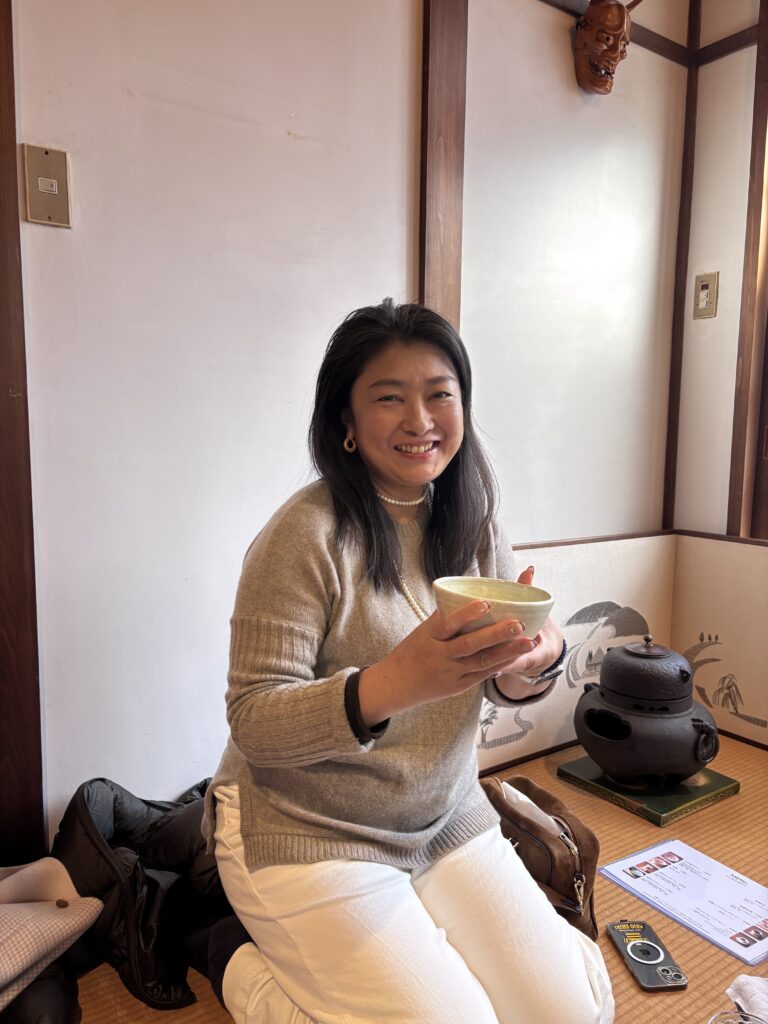
One of the questions I hear most often from guests who join our tea ceremony experiences is:
“What is matcha actually made from?” or “How is tea made?”
Many visitors become more interested in tea after tasting matcha, and it often leads to wonderful conversations about tea cultures.
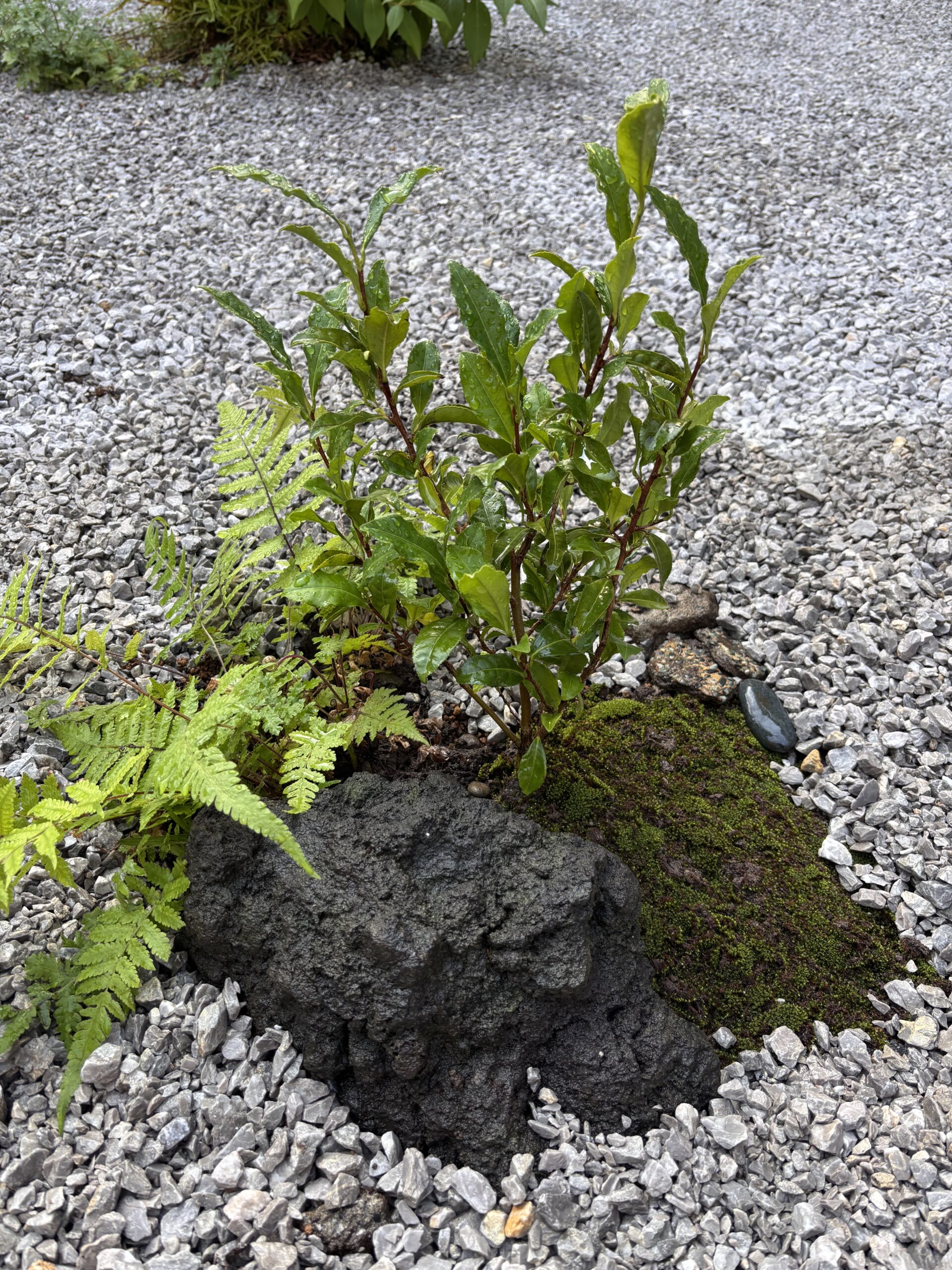
This weekend, I planted a small tea seedling in our tiny garden.
To be honest, I am a little worried about whether it will survive. The plant is still very young, and tea leaves are apparently quite delicious—not only to humans, but also to many insects. I hope it can take root safely and grow strong enough to withstand the intense summer heat that is likely coming this year.
I am also looking forward to seeing its flowers someday.
Tea plants belong to the camellia family. When they bloom, they produce small white flowers that resemble miniature camellia blossoms. Since I have only just planted the seedling, I may need to be patient, but I am already excited to see them.
The tea plant is called Camellia sinensis.
What surprises many people is that matcha, green tea, oolong tea, and black tea all can be made from exactly the same plant. The difference is simply how the leaves are grown and processed.
Tea plants also have different cultivars, just as grapes do.
When we think about grapes, we know there are many varieties used for different wines and flavors. Tea is much the same. There are some cultivars, each with its own characteristics.
The tea seedling I planted is a cultivar called Sayamakaori.
It is associated with Sayama Tea, one of Japan’s well-known tea-producing regions and the closest major tea-growing area to Tokyo. As its name suggests, Sayamakaori is known for its rich fragrance and deep green color.
For now, my tea plant is only a small seedling in a corner of the yard.
Perhaps one day, it will grow large enough for me to harvest a few leaves. Until then, I will be cheering it on through the summer and hoping it settles happily into its new home.
If you visit us in the future, perhaps you will be able to meet our little tea plant too.
Experience Tea Ceremony for Yourself
Many guests arrive curious about matcha, but tea ceremony offers much more than simply drinking tea.
Through the practice of tea ceremony, you can discover the history, culture, and quiet beauty that surround a single bowl of tea.
Whether you are completely new to tea ceremony or already interested in Japanese culture, we would be delighted to welcome you.
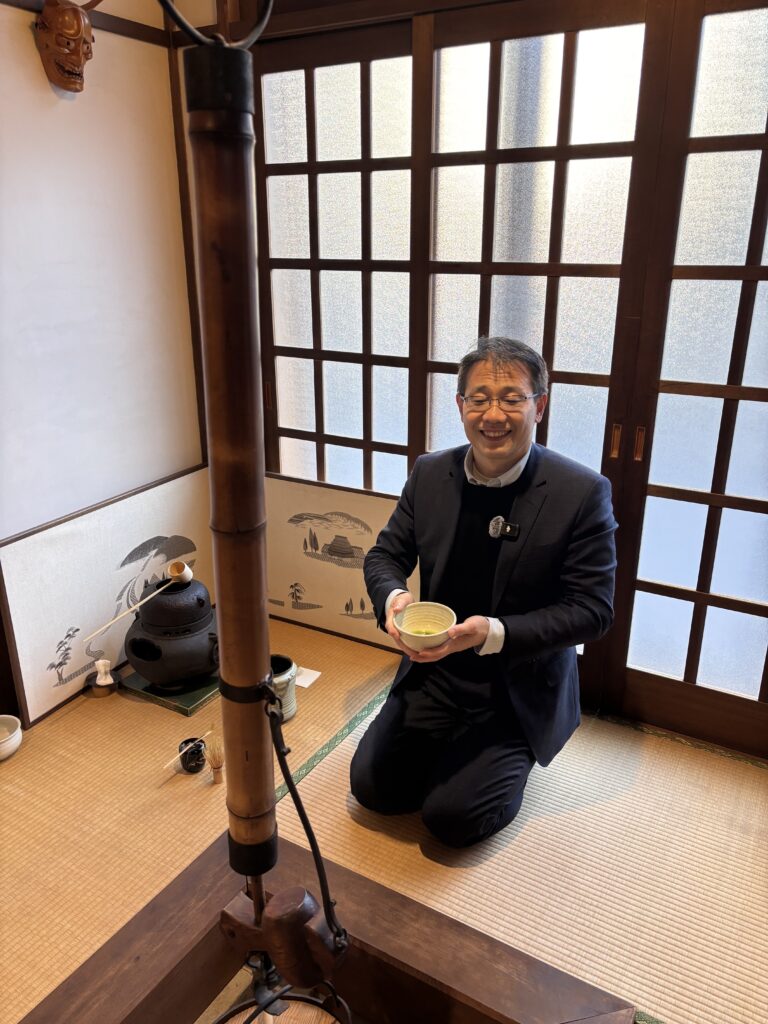
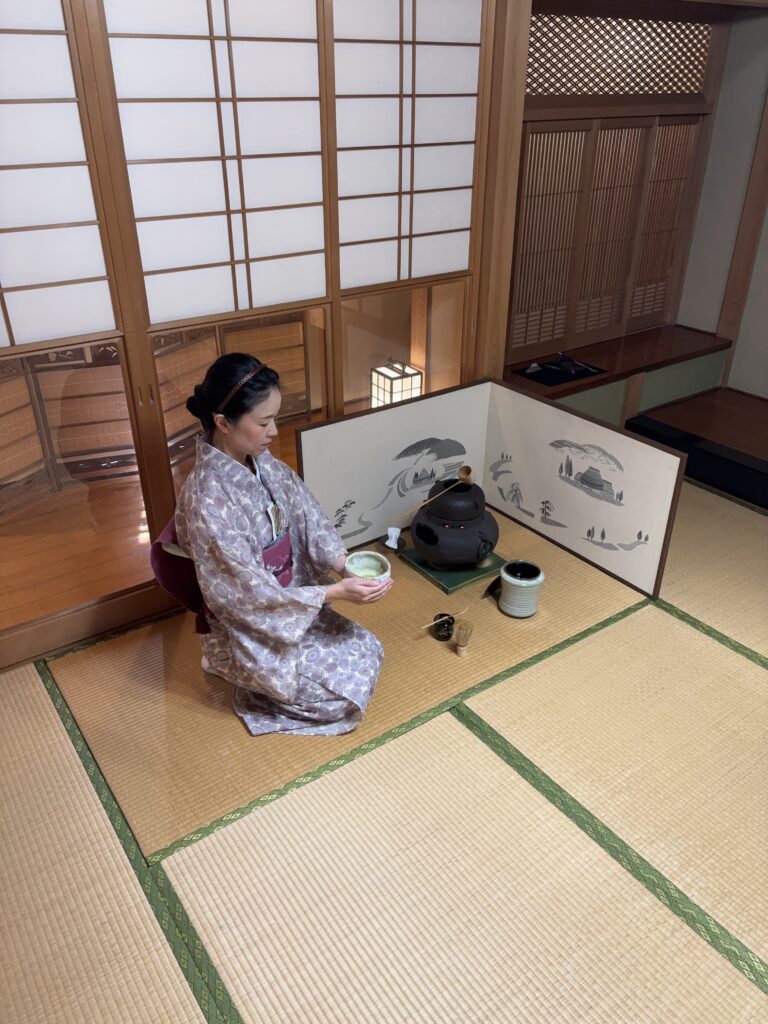
Oh! Mama is a traditional Japanese house in Ikenoue, a peaceful neighborhood near Shibuya, Tokyo.
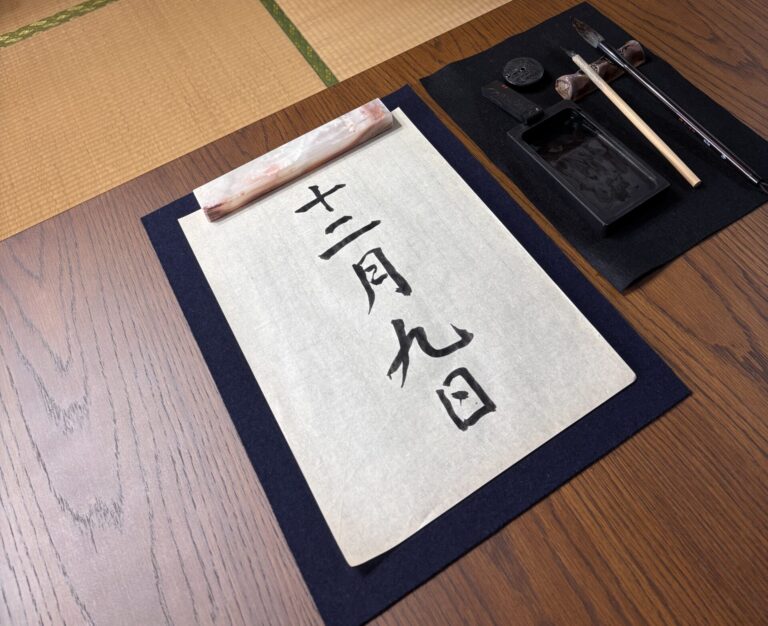
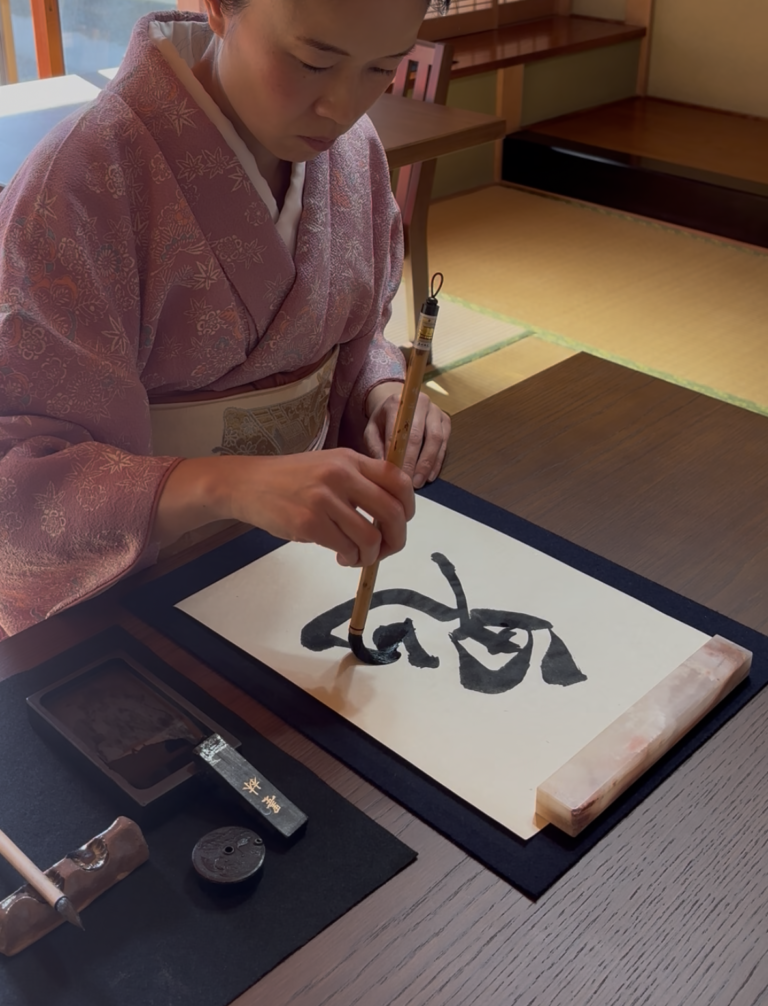
We offer private experiences in Japanese tea ceremony and shodo (Japanese calligraphy) in a relaxed setting.
Private sessions are available by reservation only. Please check availability through the link below.