Questions about Sado, the Tea Ceremony: When Is a Tea Ceremony Held?
One of the most common questions I hear from our guests is: “When do you have a tea ceremony?”
Many people imagine that a tea ceremony must be held on a fixed, special date— perhaps like a birthday party or a national holiday. In reality, the answer is much simpler: A tea ceremony can be held at any time.
Traditional Occasions for Tea Ceremonies
There are, of course, traditional occasions in the world of tea.
One example is Hatsugama, the first tea ceremony of the New Year, usually held in early January. Another is Robiraki, which takes place in November. This occasion is especially meaningful because it is often the first opportunity to enjoy matcha made from tea harvested that year.
Tea Ceremonies Can Be Held Anytime
While these traditional dates are important, tea ceremonies are not limited to them.
A tea ceremony can be held in any season and at many different times of day.
In summer, some hosts enjoy holding an early-morning tea ceremony to take advantage of the cooler air. In autumn and winter, evening gatherings are popular, making use of the long, quiet nights. Outdoor tea ceremonies during cherry blossom season or amid autumn foliage are also very common in Japan.
In Tokyo, there is even a large annual public event called the Tokyo Grand Tea Ceremony, where anyone—locals and visitors alike—can experience tea culture in an authentic and welcoming setting.
Tea ceremonies are also held to mark personal milestones. For example, one may be held to celebrate a graduation. When I graduated from high school, my tea teacher kindly hosted a chaji (a formal tea gathering with a meal) for me and a friend from the tea ceremony club (without sake, of course). As long as the host and guests agree on a time, a tea ceremony can be held whenever the moment feels right.
Tea Ceremony in Everyday Life
For those who study tea ceremony, practice is part of everyday life. Students usually attend lessons on a regular schedule—once a week or several times a month, depending on the school and their lifestyle.
Is Tea Ceremony Only for Special Days?
Some visitors from abroad may imagine that the tea ceremony is reserved only for special occasions. But think about afternoon tea.
When you meet friends for afternoon tea at a hotel, it does not have to be for a birthday or a promotion. Often, it is simply a way to enjoy a slightly elegant and special moment within everyday life.
Afternoon tea is often enjoyed on weekends, when meeting friends, while traveling or staying at a hotel, and as a treat for yourself. Sometimes it is also chosen for personal or social events such as birthdays, Mother’s Day, anniversaries, weddings, retirement celebrations, or promotions.
Tea ceremony can be enjoyed in exactly the same way.
The Difference: Time of Day
One key difference is timing. Afternoon tea, as the name suggests, is usually enjoyed in the afternoon by early evening. Tea ceremony, however, offers much more flexibility. It may be held in the morning, during the day, or even at night, depending on the season and the atmosphere the host wishes to create.
This flexibility allows the tea ceremony to harmonize beautifully with nature, daily life, and personal milestones.
Tea Ceremony Experiences at Our Salon
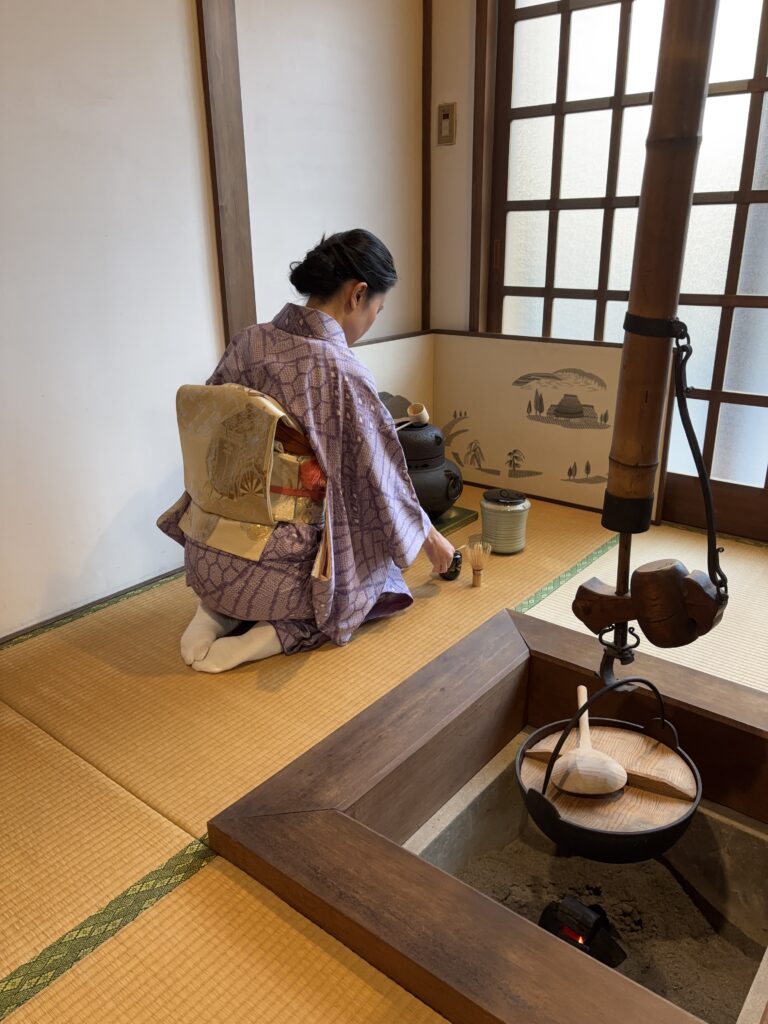
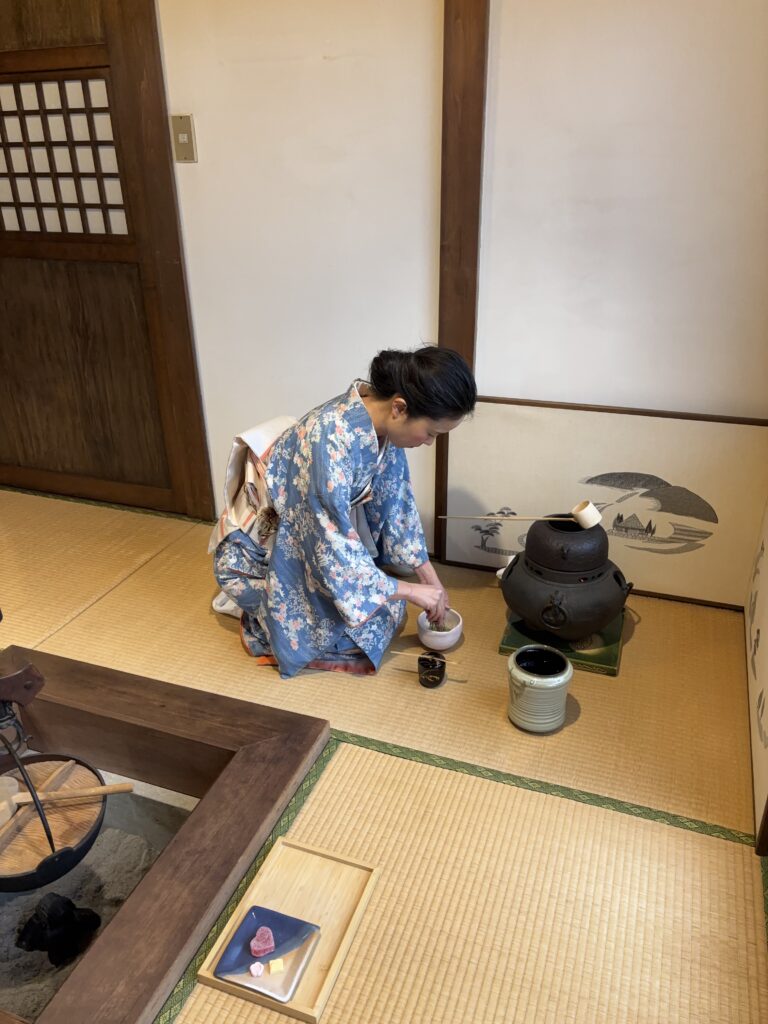
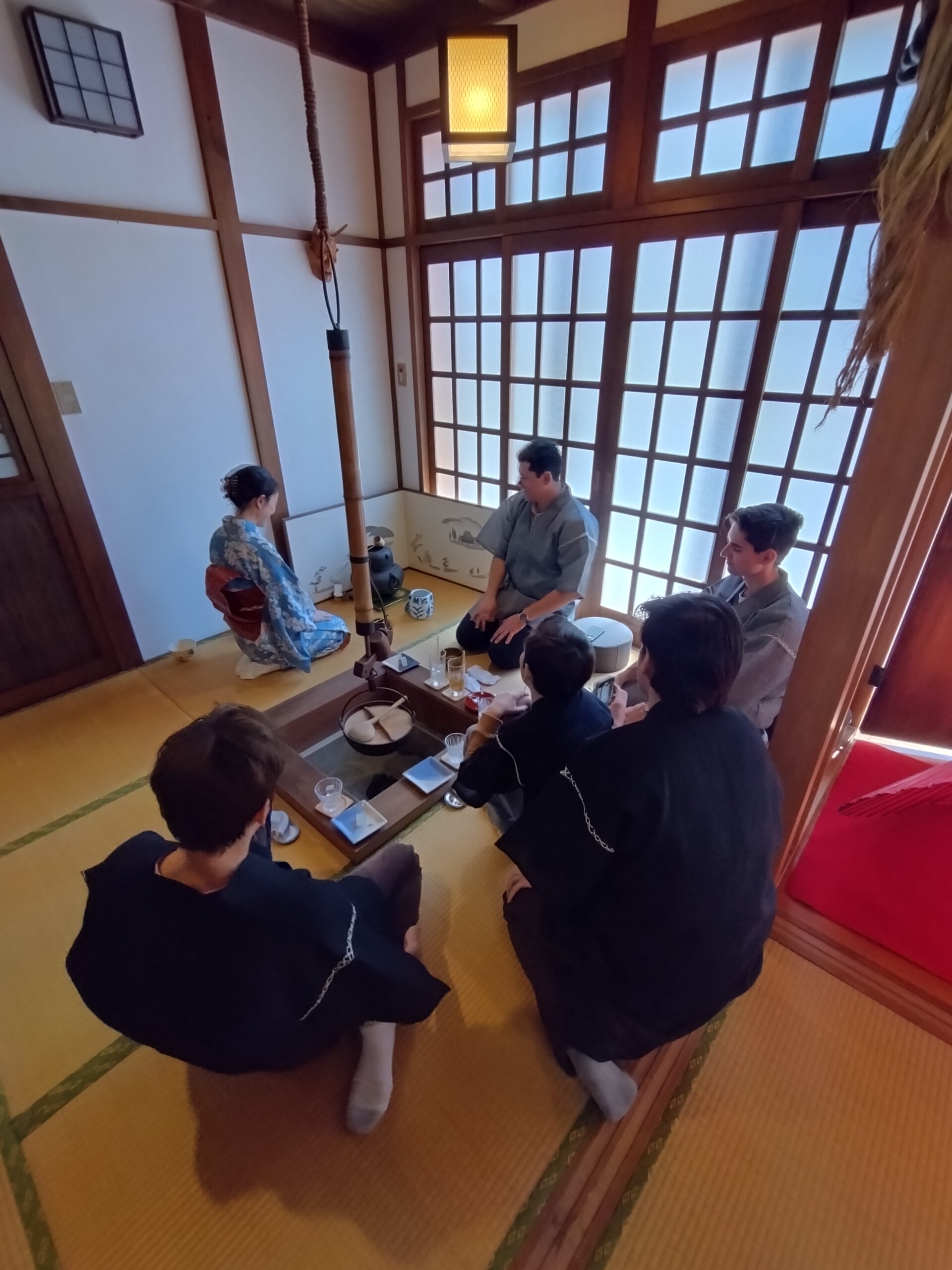
At our salon, tea ceremony experiences are available throughout the day by reservation.
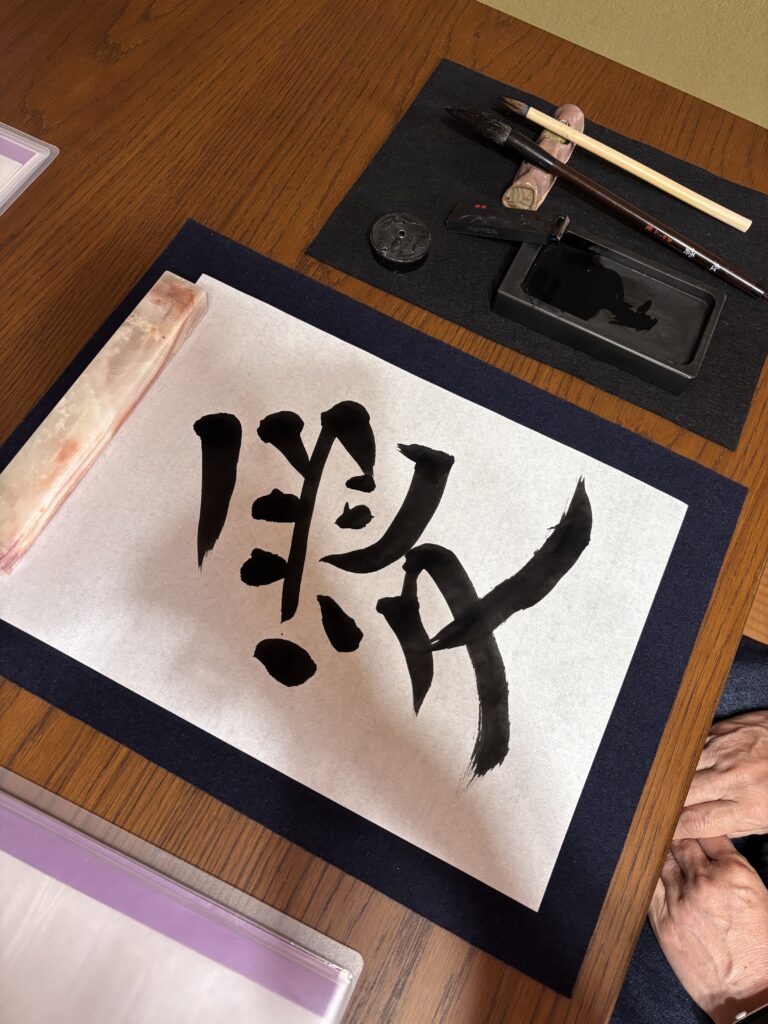
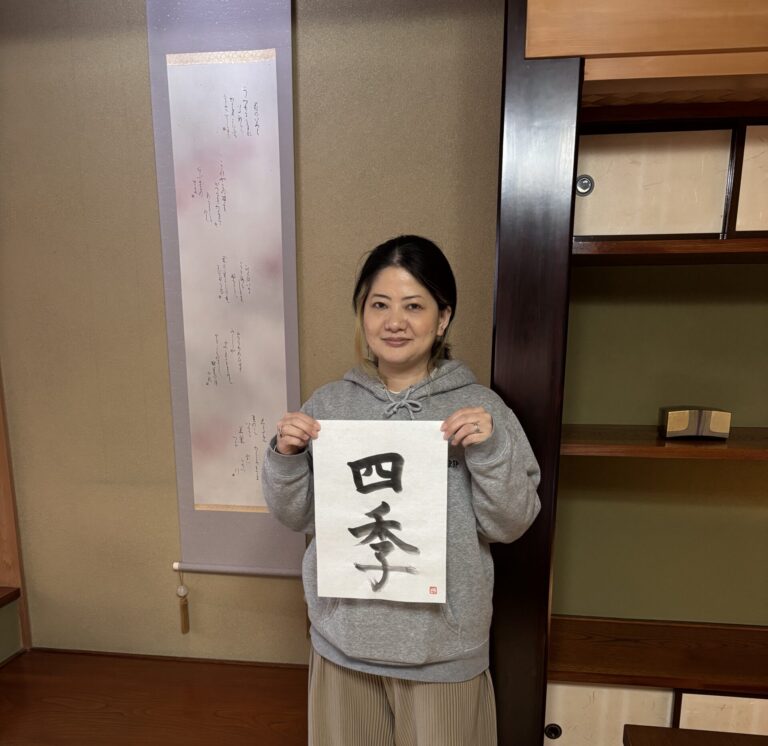
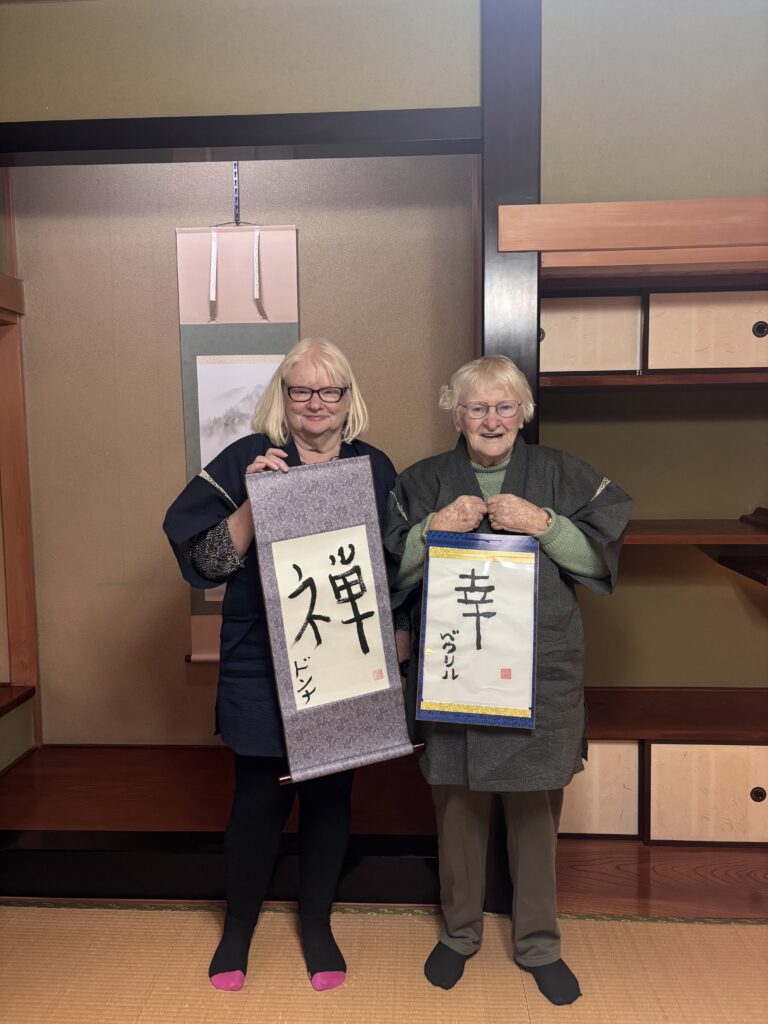
You may choose a tea ceremony experience, or select our premium experience for both calligraphy and a tea ceremony, which allows you to prepare matcha yourself under gentle guidance.
Whether you are sightseeing, spending a relaxed weekend, or simply looking for a meaningful cultural experience, tea ceremony can be enjoyed whenever you feel ready to pause and appreciate the moment.